In the world of real estate and business investments, accurate property valuation is critical. Unlike residential properties, commercial real estate deals are often larger, riskier, and more complex. Whether you are buying, selling, leasing, refinancing, or insuring a commercial property, you need a commercial appraisal to determine its true market value.
A professional commercial appraisal service helps investors, lenders, and business owners make informed decisions, reduce financial risks, and negotiate confidently.
What Is a Commercial Appraisal?
A commercial appraisal is a detailed evaluation of a commercial property to determine its fair market value. Certified appraisers conduct this process using industry-approved methods, market research, and financial analysis.
Commercial appraisals apply to properties such as:
A commercial real estate appraisal plays a vital role in every major transaction. Without it, buyers may overpay, lenders may miscalculate loans, and investors could make risky decisions.
Key Benefits of Commercial Appraisal:
Fair Market Value – Ensures accurate pricing for buyers and sellers. Loan Approvals & Refinancing – Essential for banks and financial institutions. Tax & Insurance Compliance – Determines correct taxation and coverage. Investment Clarity – Helps investors estimate ROI and long-term value. Legal Protection – Useful in disputes, mergers, or settlements.
Types of Commercial Appraisals
Different situations require different approaches. Here are the common types:
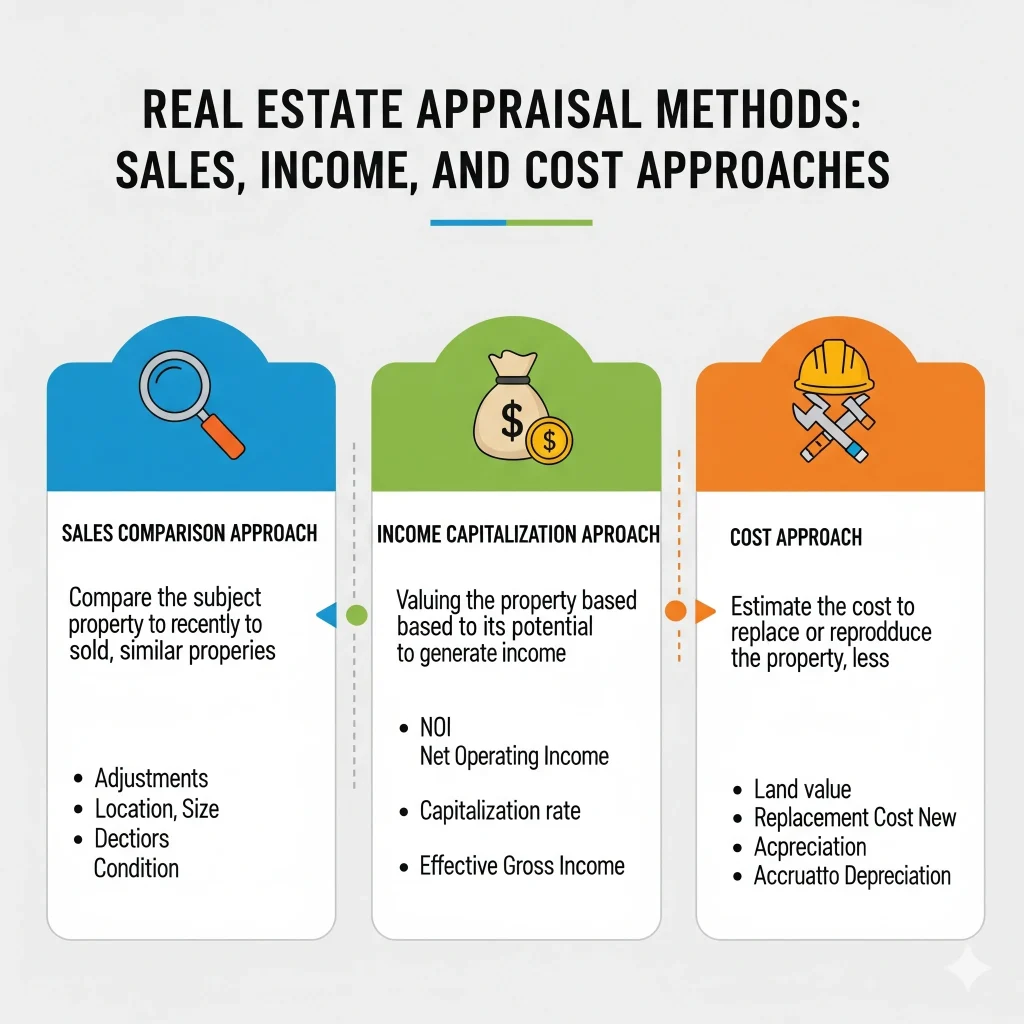
Sales Comparison Approach – Compares the property with recently sold commercial properties in the area.
Income Capitalization Approach – Focuses on income potential, rent, and return on investment.
Cost Approach – Estimates value by calculating the cost to replace the property minus depreciation.
Investment Appraisal – Evaluates a property’s financial viability for long-term investment.
Industrial & Special Use Appraisal – Applies to warehouses, plants, hotels, or healthcare facilities.
The Commercial Appraisal Process
A professional appraisal follows structured steps to ensure accuracy:
Step 1: Request & Purpose Definition – Identifying why the appraisal is needed (sale, loan, tax, etc.).
Step 2: Site Inspection – Appraiser examines building condition, size, layout, and features.
Step 3: Market Research – Reviewing rental rates, vacancy levels, and comparable property sales.
Step 4: Financial Analysis – Income approach and ROI calculations.
Step 5: Report Preparation – A detailed valuation report with supporting data.
Step 6: Final Delivery – Report is submitted for client, lender, or legal use.
Factors That Influence Commercial Property Value
Several factors determine the outcome of a commercial appraisal, including:
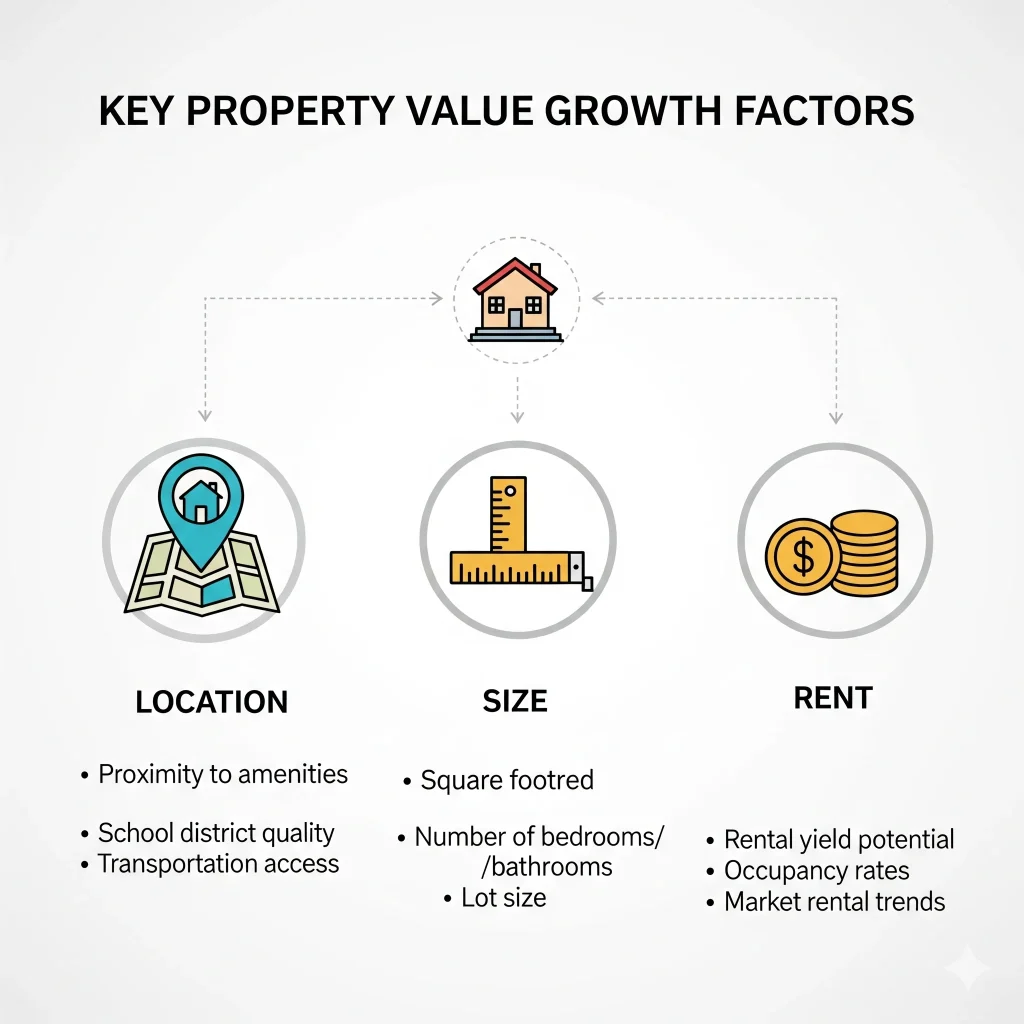
Location & Accessibility – Proximity to transport hubs, highways, and markets.
Market Trends & Demand – Current economic and industry trends affect valuation.
Comparable Sales (Comps) – Recent deals in the area act as benchmarks.
Future Development Potential – Growth prospects and zoning laws.
Benefits of Professional Commercial Appraisal Services
Choosing certified appraisers offers businesses and investors:
Accurate Market Valuation – Helps avoid overpricing or underselling. Smooth Financing – Trusted by banks and lenders. Reduced Risk – Protects against costly mistakes. Better Investment Planning – Supports expansion strategies. Legal & Tax Support – Ensures compliance with regulations.
How to Prepare for a Commercial Appraisal
Preparation can improve the appraisal outcome:
Organize property documents (title deeds, lease agreements, financial records).
Maintain the building – fix repairs, update safety features, and ensure cleanliness.
Highlight upgrades such as energy-efficient systems or renovations.
Provide tenant information and rental income statements.
Share future development or expansion plans.
GET IN TOUCH
Send us a message and we will respond as quickly as possible.
We value every inquiry and understand that your time is important. Whether you have a question about our services, need more details before making a decision, or simply want to share your feedback, our team is always ready to assist you. Our goal is to provide clear, prompt, and helpful responses so that you feel supported at every step.
Send us a message and we will respond as quickly as possible. Our team is always ready to assist you with queries, guidance, or support so that you receive the right information without any delay.