In the world of commercial real estate, accurate property valuation is critical for investors, lenders, and businesses. Commercial real estate appraisal provides a professional estimate of a property’s market value, ensuring informed decision-making for purchases, sales, refinancing, or taxation purposes. Unlike residential properties, commercial properties involve complex factors such as income potential, zoning regulations, and business viability, making professional appraisal indispensable.
What is Commercial Real Estate Appraisal?
A commercial real estate appraisal is a formal, unbiased assessment of a commercial property’s value conducted by a licensed appraiser. This includes office buildings, retail centers, warehouses, hotels, and industrial facilities.
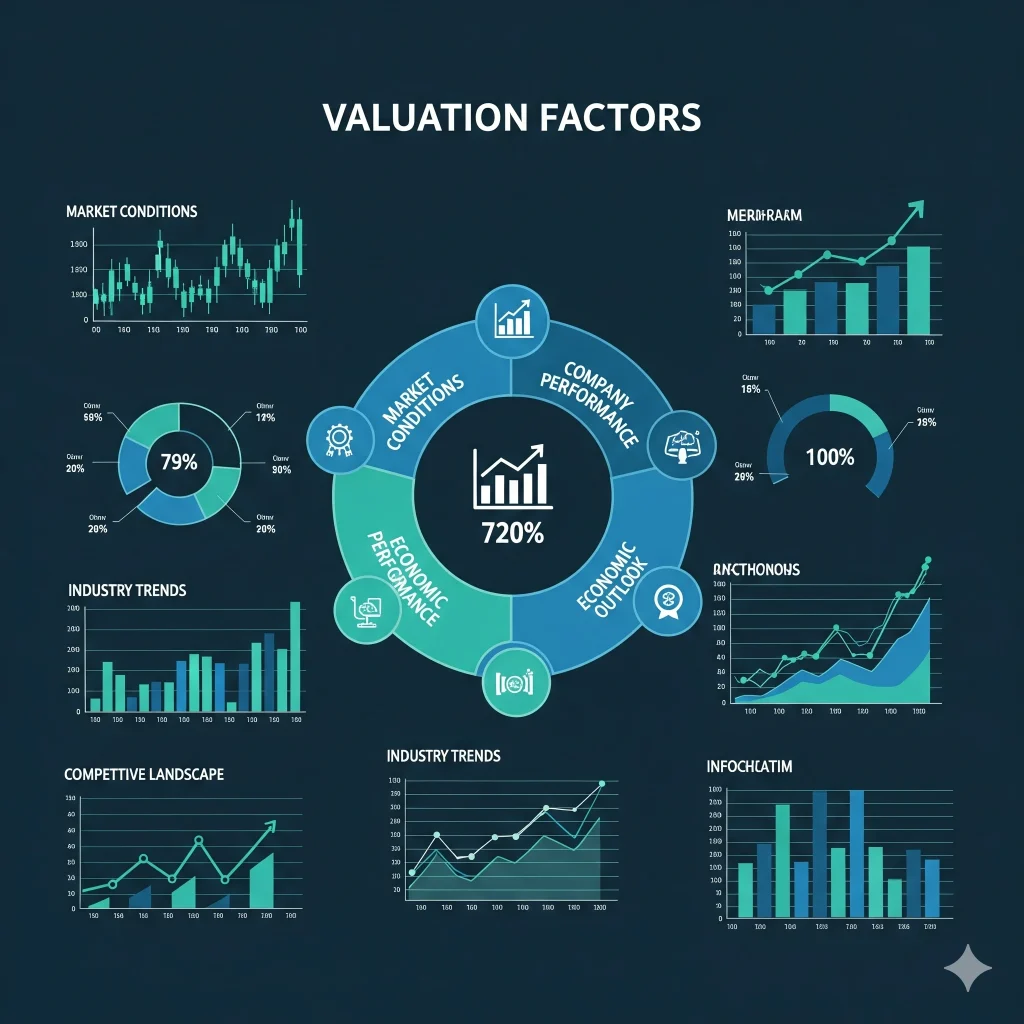
Appraisers consider several factors such as:
Location and surrounding business environment
Property size, layout, and design
Income potential from tenants
Market trends and comparable sales
Legal and zoning compliance
The primary goal is to determine market value, which is crucial for financing, investment analysis, insurance, and tax purposes.
Commercial property appraisal is essential for multiple stakeholders:
For Investors: Helps assess the return on investment and risks.
For Lenders: Protects banks by ensuring loans are secured against accurate property values.
For Business Owners: Determines fair pricing when buying, selling, or leasing commercial spaces.
For Tax Authorities: Assists in proper taxation based on property value.
Without an appraisal, stakeholders may face financial losses, overpay for properties, or make poor investment decisions.
Types of Commercial Real Estate Appraisal
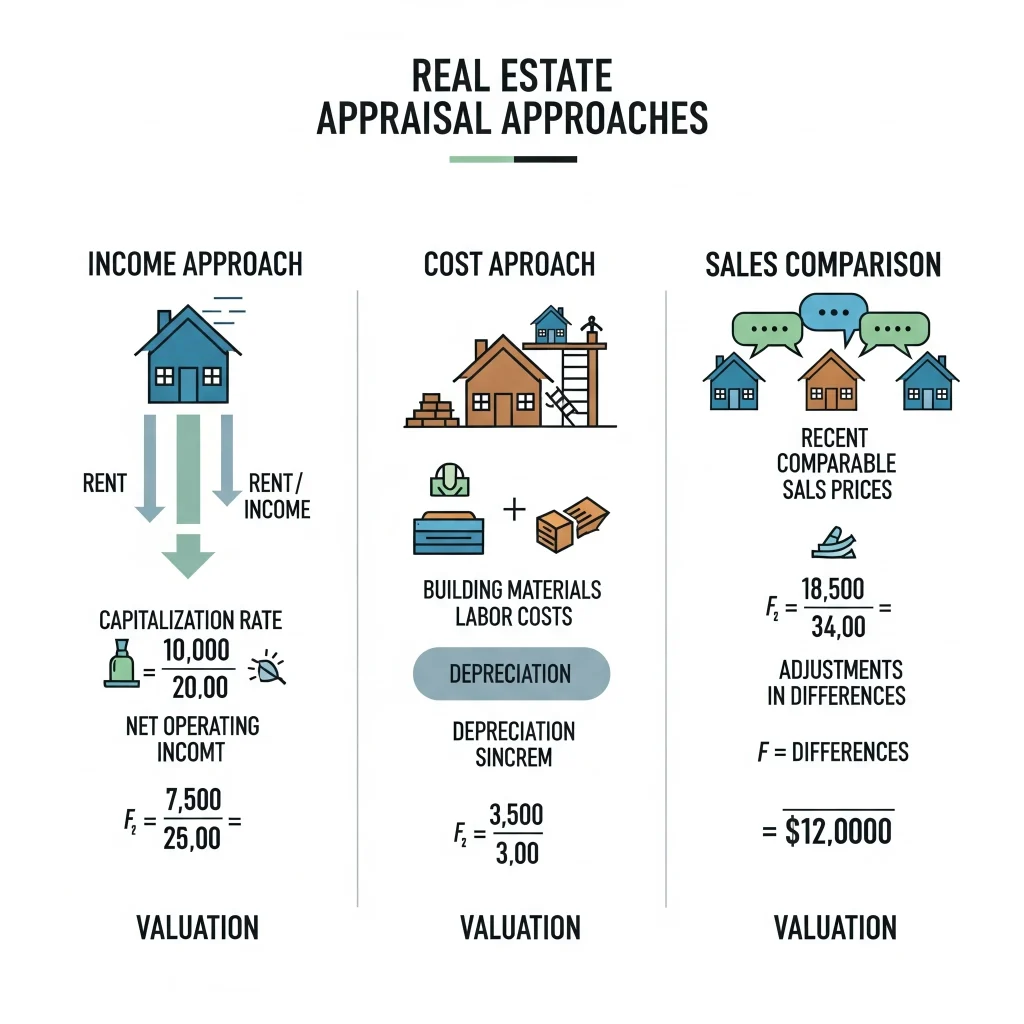
Income Approach: Evaluates value based on rental income and potential cash flow.
Cost Approach: Calculates value based on the cost to replace or rebuild the property minus depreciation.
Sales Comparison Approach: Compares the property with similar commercial properties recently sold in the market.
Each method suits different property types and transaction goals. Often, appraisers use a combination of these approaches to ensure accurate valuation.
The Commercial Real Estate Appraisal Process
Step 1: Property Inspection
The appraiser inspects the property’s exterior and interior, noting details like square footage, condition, structural integrity, and unique features.
Step 2: Market Analysis
Analyzing the local commercial real estate market, recent sales, lease rates, and trends helps determine a fair market value.
Step 3: Financial Analysis
If the property generates income, the appraiser reviews rental contracts, operating expenses, and potential revenue streams.
Step 4: Report Preparation
A detailed appraisal report is prepared, including property description, valuation approach, supporting data, and final market value.
Step 5: Delivery and Review
The final report is submitted to clients, lenders, or investors, providing a professional basis for decisions regarding buying, selling, refinancing, or insurance.
Send us a message and we will respond as quickly as possible.
We value every inquiry and understand that your time is important. Whether you have a question about our services, need more details before making a decision, or simply want to share your feedback, our team is always ready to assist you. Our goal is to provide clear, prompt, and helpful responses so that you feel supported at every step.
Send us a message and we will respond as quickly as possible. Our team is always ready to assist you with queries, guidance, or support so that you receive the right information without any delay.
With the rise of PropTech (Property Technology), appraisal companies are integrating:
AI & Big Data Analytics for faster valuations.
Online Valuation Tools for preliminary reports.
Drone Inspections for large properties.
Blockchain Integration for transparent property records.
The industry is moving toward more accurate, data-driven, and efficient valuations to match the speed of today’s real estate market.