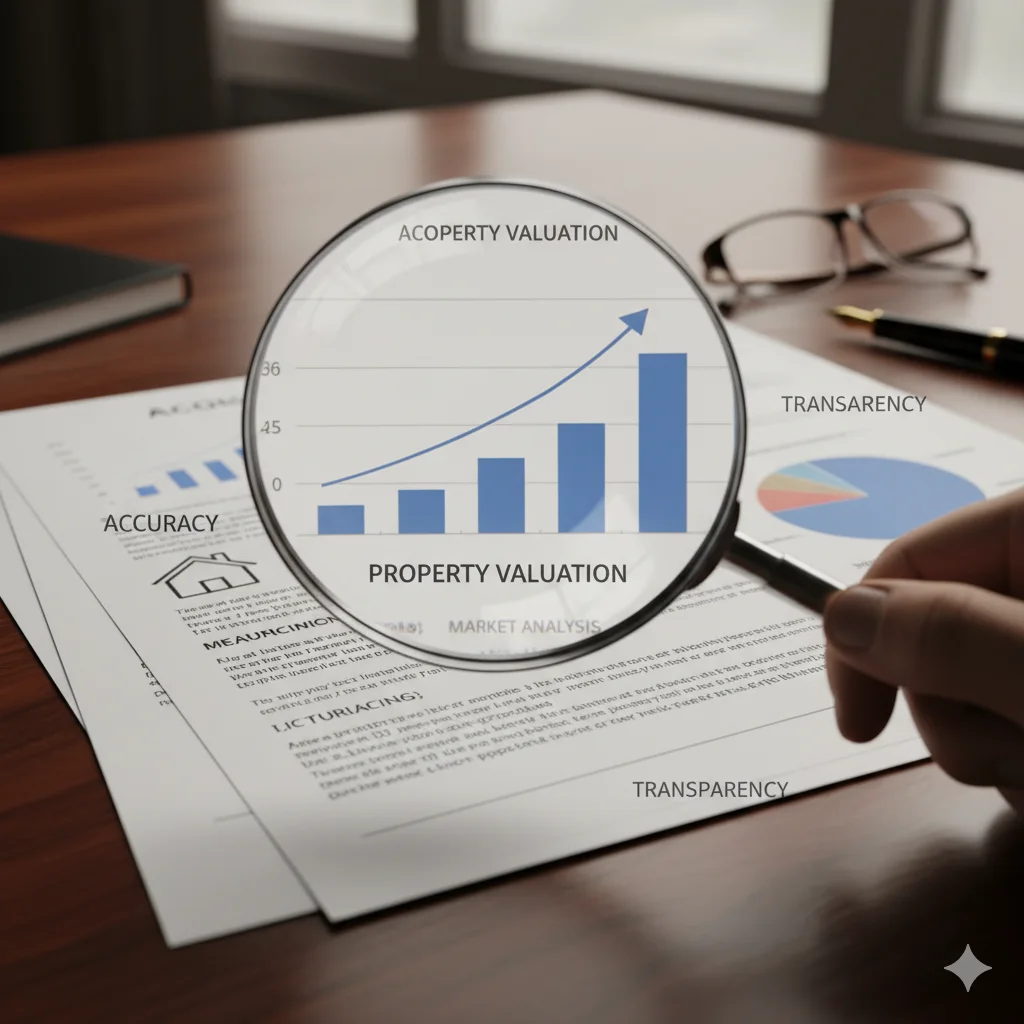
Buying or selling a home is one of the most significant financial decisions in life. Whether you are a first-time buyer, a property investor, or a homeowner planning to refinance, understanding the true worth of a property is essential. This is where a residential real estate appraisal comes into play.
A residential appraisal ensures that the property’s market value is fair, unbiased, and based on industry standards. It protects buyers from overpaying, helps sellers set realistic prices, and gives lenders the confidence to approve loans.
What Is a Residential Real Estate Appraisal?
A residential real estate appraisal is a professional valuation of a home conducted by a licensed appraiser. The process involves analyzing property details, reviewing market trends, and comparing similar sales in the area to determine the home’s fair market value.
A home isn’t just a place to live—it’s a valuable financial asset. Without an appraisal, decisions could be based on speculation or emotional attachment. Professional appraisal services provide clarity and fairness in property-related transactions.
Key Benefits of a Residential Appraisal:
Fair Market Value – Prevents overpricing or undervaluation. Loan Approvals – Banks and lenders rely on appraisals before sanctioning mortgages. Tax & Insurance Accuracy – Ensures fair taxation and adequate coverage. Better Negotiation – Helps both buyers and sellers negotiate confidently. Legal & Financial Security – Protects in disputes, inheritance, or settlements.
Types of Residential Real Estate Appraisals
Depending on the property type and purpose, different appraisal methods are used:
Single-Family Home Appraisal – Valuation of independent houses.
Apartment & Condominium Appraisal – Evaluates flats or condos in residential complexes.
Multi-Family Property Appraisal – For duplexes, triplexes, or small residential buildings.
Luxury Home Appraisal – Specialized approach for high-end, unique, or custom homes.
Rural & Agricultural Property Appraisal – For homes located in rural or farmland areas.
The Residential Appraisal Process
Professional appraisers follow a systematic process to ensure accuracy:
Step 1: Request Initiation – Appraisal is ordered by lender, buyer, or seller.
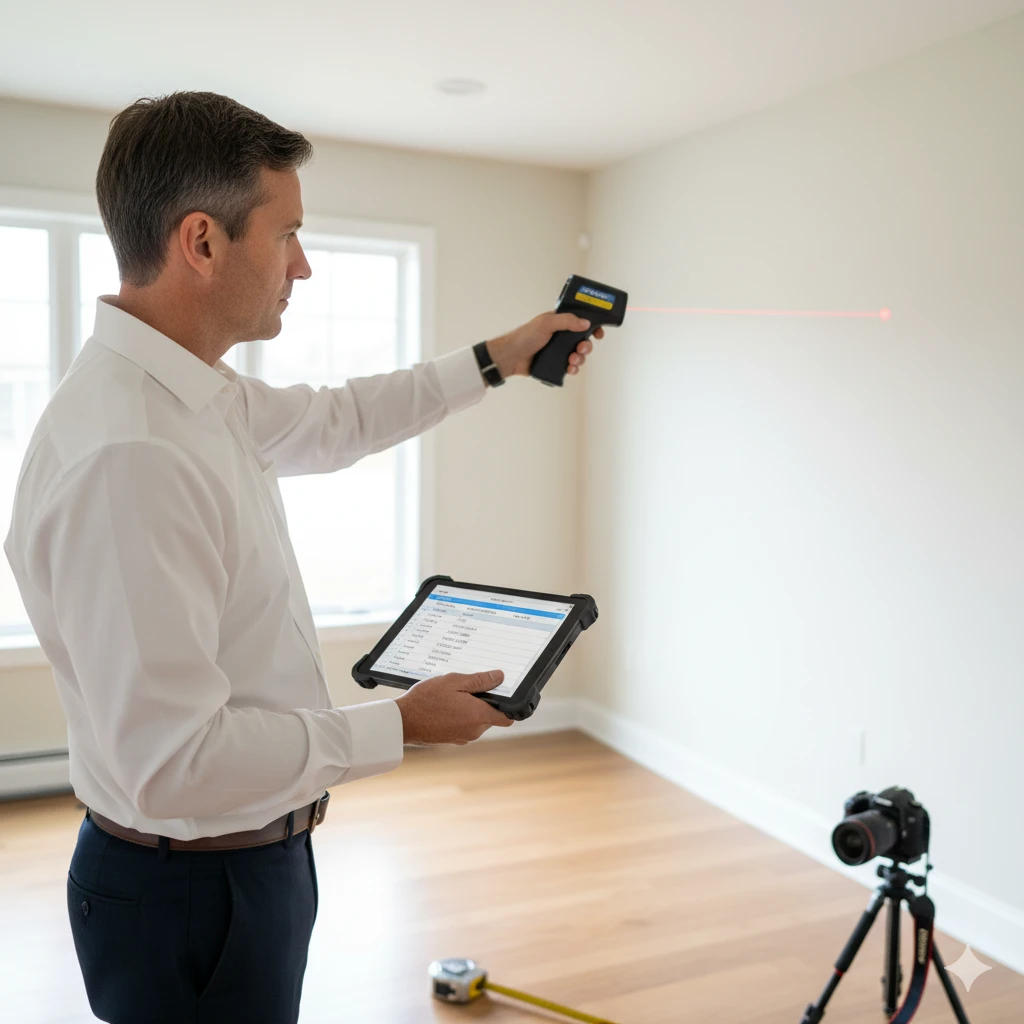
Step 2: Property Inspection – Appraiser visits the property to evaluate size, layout, and condition.
Step 3: Data Collection – Gathering details such as title records, location insights, and neighborhood analysis.
Step 4: Comparative Market Analysis (CMA) – Reviewing recent sales of similar properties (comps).
Step 5: Final Valuation Report – Detailed written report including photos, maps, data, and estimated market value.
Factors That Influence Residential Property Value
Several elements can affect the appraised value of a home:
Location & Neighborhood – Proximity to schools, markets, hospitals, and transport.
Condition & Age – Renovated or newly constructed homes receive higher valuations.
Comparable Sales (Comps) – Recent nearby home sales influence appraisals.
Market Trends – Local real estate demand and supply conditions.
Amenities & Upgrades – Pools, solar panels, modular kitchens, or smart home systems.
Curb Appeal – First impressions of the exterior and landscaping.
Benefits of Hiring Professional Appraisal Services
Services
Unbiased & Certified Reports – Trusted by banks and financial institutions. Accurate Home Value – Prevents financial loss from overpaying. Better Market Positioning – Sellers can price homes competitively. Faster Loan Approvals – Essential for smooth mortgage processing. Legal & Tax Protection – Supports legal disputes and taxation compliance.
How Homeowners Can Prepare for an Appraisal
Preparation helps maximize the value reflected in an appraisal:
Declutter & Clean – Present the home in its best condition.
Make Repairs – Fix leaks, cracks, or broken fixtures.
Upgrade Wisely – Showcase renovations like modern kitchens or bathrooms.
Improve Landscaping – A well-kept garden boosts curb appeal.
Provide Documentation – Share receipts for upgrades, maintenance records, and permits.
GET IN TOUCH
Send us a message and we will respond as quickly as possible.
We value every inquiry and understand that your time is important. Whether you have a question about our services, need more details before making a decision, or simply want to share your feedback, our team is always ready to assist you. Our goal is to provide clear, prompt, and helpful responses so that you feel supported at every step.
Send us a message and we will respond as quickly as possible. Our team is always ready to assist you with queries, guidance, or support so that you receive the right information without any delay.