




Telehealth has transformed how patients access healthcare. From virtual consultations to remote monitoring, digital care is now a core part of modern medicine. However, behind every successful virtual visit lies a complex billing process. This is where Medical Billing for Telehealth becomes essential.
Medical billing companies play a critical role in ensuring telehealth services are coded correctly, reimbursed on time, and compliant with constantly changing regulations. Without expert support, many telehealth practices struggle with denied claims, delayed payments, and compliance risks.
This guide explains how medical billing companies support telehealth practices and why their role is vital for long-term success.
What Is Medical Billing for Telehealth?
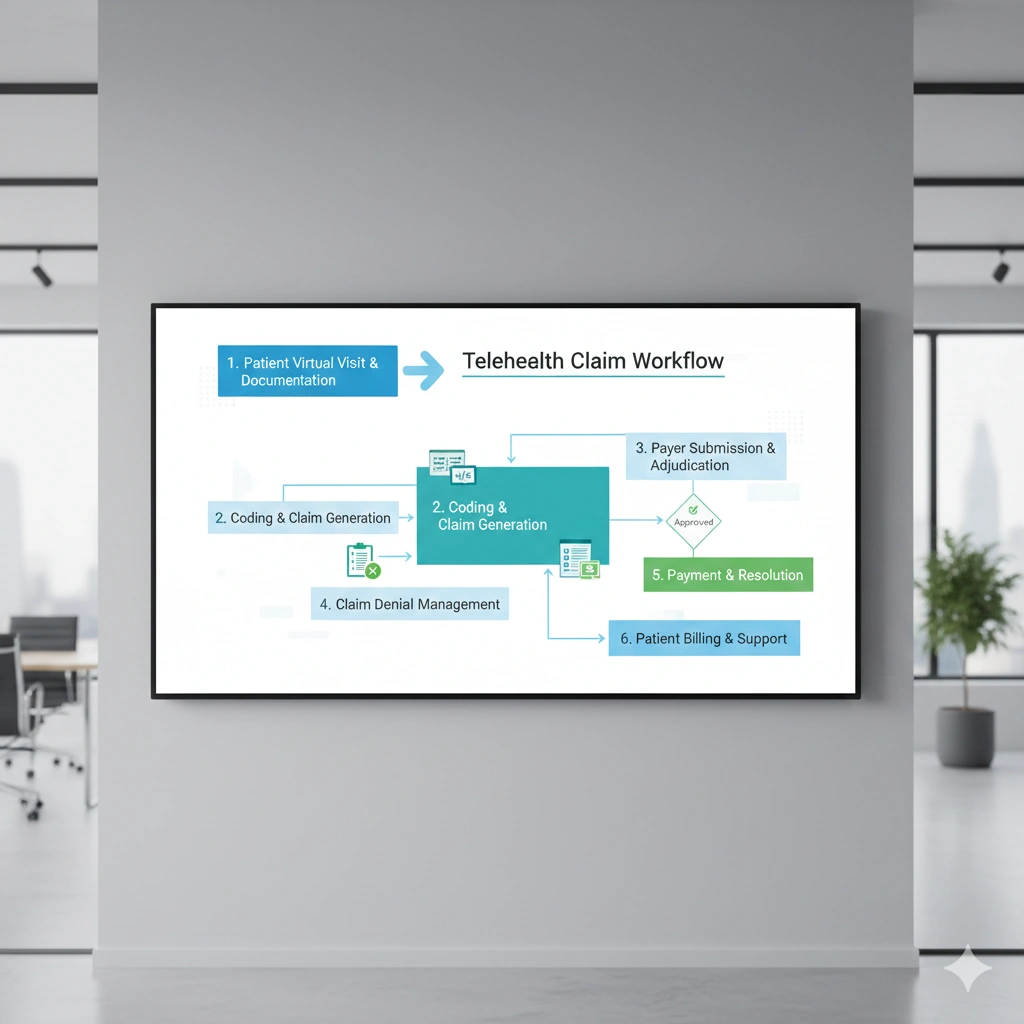
Medical Billing for Telehealth refers to the process of submitting, tracking, and reconciling insurance claims for virtual healthcare services. These services include video consultations, remote patient monitoring, virtual mental health sessions, and digital follow-ups.
Medical Billing for Telehealth ensures that virtual healthcare services are properly coded, billed, and reimbursed according to payer and regulatory guidelines.
Unlike traditional billing, telehealth billing involves unique rules related to location, modifiers, technology platforms, and payer policies.
Why Telehealth Billing Is More Complex Than Traditional Billing
Telehealth billing is not simply standard billing done online. It comes with added layers of complexity, such as:
- Telehealth-specific CPT and HCPCS codes
- Modifier requirements (95, GT, POS 02, POS 10)
- Varying payer reimbursement policies
- State-specific telehealth regulations
- Frequent CMS and insurance updates
This complexity makes Medical Billing for Telehealth a specialized service rather than a general administrative task.
1. Accurate Coding for Telehealth Services
One of the most important ways medical billing companies support telehealth practices is through accurate coding.
Medical billing experts ensure:
- Correct CPT codes for virtual visits
- Proper use of telehealth modifiers
- Accurate diagnosis coding (ICD-10)
- Compliance with payer-specific requirements
Accurate coding reduces claim denials and ensures providers receive the correct reimbursement for telehealth services.
2. Staying Updated with Telehealth Regulations
Telehealth regulations change frequently, especially after the expansion of virtual care in recent years. Medical billing companies continuously monitor updates from:
- CMS (Centers for Medicare & Medicaid Services)
- Private insurance providers
- State healthcare authorities
By staying updated, they help telehealth providers maintain compliance and avoid costly billing errors. This proactive approach strengthens Medical Billing for Telehealth accuracy and reliability.

3. Insurance Eligibility and Coverage Verification
Not all insurance plans cover telehealth services equally. Before claims are submitted, medical billing companies verify:
- Telehealth coverage eligibility
- Patient plan benefits
- Copay and deductible requirements
- Prior authorization needs
This step reduces rejected claims and improves cash flow for telehealth practices.
4. Faster Claim Submission and Reimbursements
Medical billing companies use advanced billing software and clearinghouses to submit telehealth claims quickly and accurately.
Benefits include:
- Faster claim turnaround time
- Fewer resubmissions
- Reduced days in accounts receivable
- Improved revenue consistency
Efficient Medical Billing for Telehealth ensures providers are paid promptly for virtual care.
5. Managing Denials and Appeals
Claim denials are common in telehealth billing due to coding errors or policy misunderstandings. Medical billing companies actively manage:
- Denial identification
- Root cause analysis
- Corrective action
- Appeals and resubmissions
By resolving denials efficiently, they protect telehealth practices from revenue loss and operational stress.
6. HIPAA-Compliant Data Security
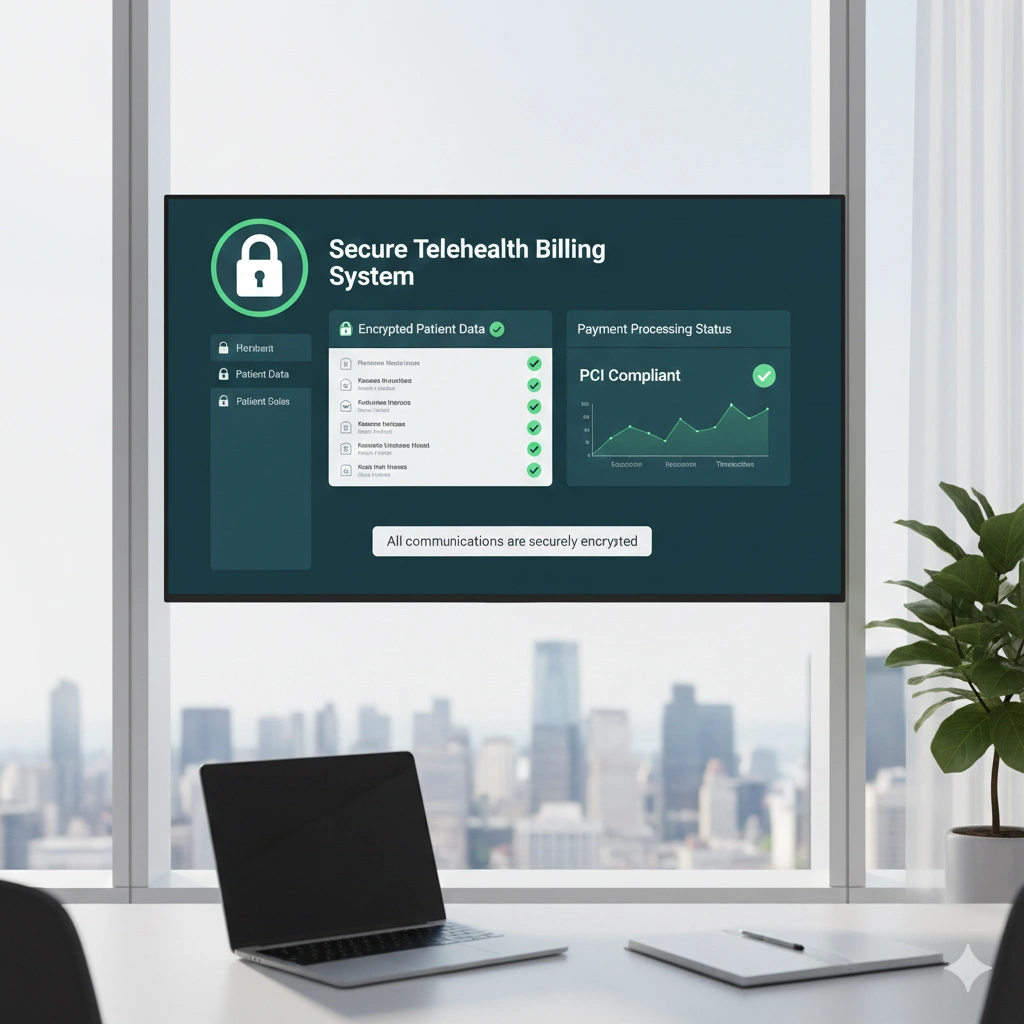
Telehealth involves sensitive patient data transmitted digitally. Medical billing companies ensure Medical Billing for Telehealth follows strict HIPAA standards through:
- Encrypted data transmission
- Secure billing platforms
- Role-based system access
- Regular security audits
This protects patient privacy and safeguards the practice’s reputation.
7. Support for Remote Patient Monitoring (RPM)
Many telehealth practices now offer Remote Patient Monitoring services. Medical billing companies handle:
- RPM-specific CPT codes
- Monthly monitoring billing rules
- Time-based documentation requirements
Their expertise ensures RPM services are billed correctly and reimbursed consistently.
8. Revenue Cycle Optimization for Telehealth Practices
Medical billing companies don’t just submit claims—they optimize the entire revenue cycle. For telehealth practices, this includes:
- Clean claim rate improvement
- Reduced billing errors
- Better financial forecasting
- Transparent reporting
Optimized Medical Billing for Telehealth supports long-term financial stability.
9. Scalable Billing Support for Growing Telehealth Services
As telehealth practices grow, billing volume increases rapidly. Medical billing companies provide scalable solutions that adapt to:
- Higher patient volumes
- Multi-state operations
- Multiple telehealth providers
- Expanded service offerings
This flexibility allows providers to focus on patient care instead of administrative burden.
Benefits of Outsourcing Medical Billing for Telehealth
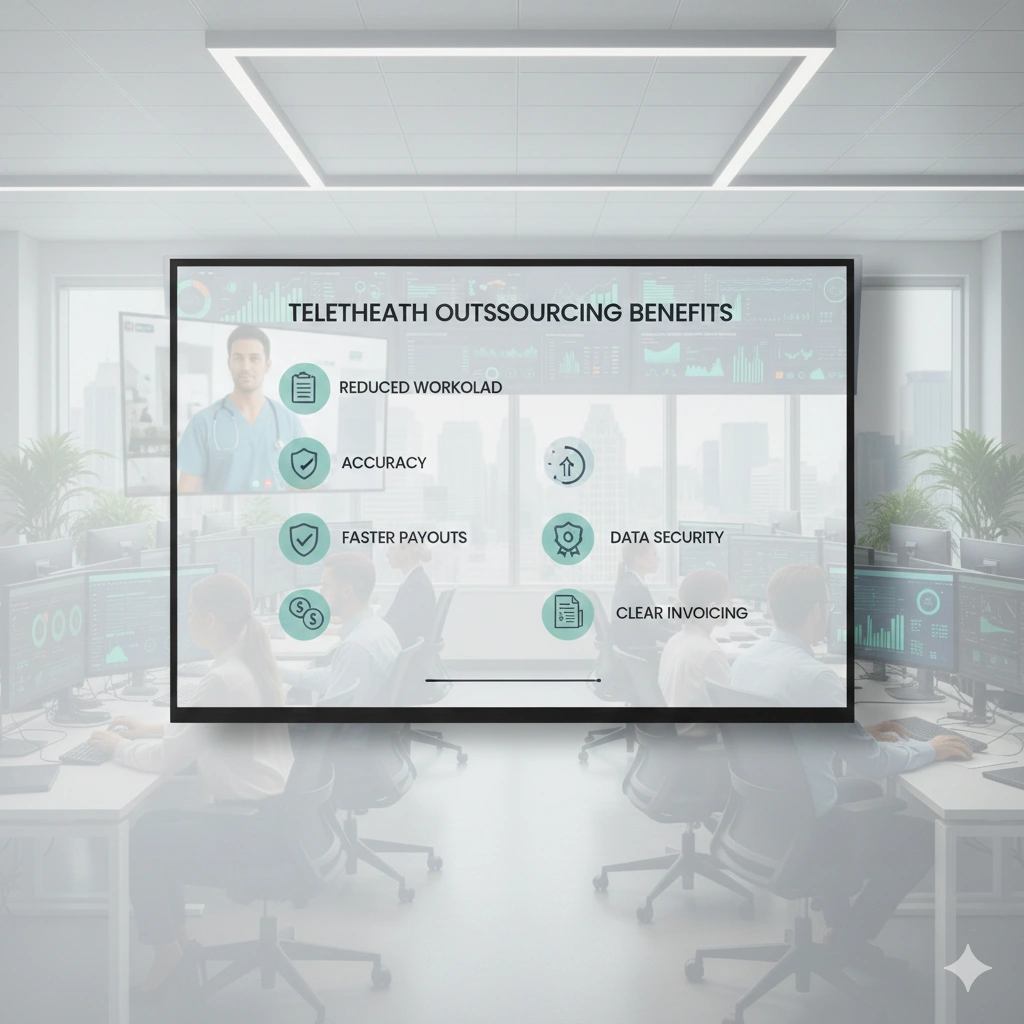
Outsourcing offers clear advantages:
- Reduced administrative workload
- Improved billing accuracy
- Faster reimbursements
- Lower compliance risk
- Better patient billing transparency
For many providers, outsourcing Medical Billing for Telehealth is the most efficient and cost-effective option.
Frequently Asked Questions
1. What makes Medical Billing for Telehealth different?
Telehealth billing requires special codes, modifiers, and compliance with virtual-care regulations.
2. Can telehealth claims be denied easily?
Yes, incorrect coding or missing modifiers often cause denials without expert billing support.
3. Do medical billing companies handle multi-state telehealth billing?
Yes, experienced billing companies manage state-specific rules and payer policies.
4. Is Medical Billing for Telehealth HIPAA compliant?
Professional billing companies use secure systems and protocols to ensure compliance.
5. Can billing companies support hybrid practices?
Yes, they manage both in-person and telehealth billing workflows efficiently.
Telehealth is no longer optional—it’s a permanent part of healthcare delivery. However, its success depends on accurate, compliant, and efficient billing systems. Medical Billing for Telehealth ensures providers are paid correctly, patients are billed transparently, and practices remain financially healthy.
By partnering with a professional medical billing company, telehealth practices gain expertise, compliance, and peace of mind—allowing them to focus on what matters most: delivering quality care.
Author: Mangesh
Last Updated: December 2025
Category: Medical Billing & Healthcare Management
Follow Us: facebook.com | instagram.com | linkedin.com | BackBoneDataSolutions.com