



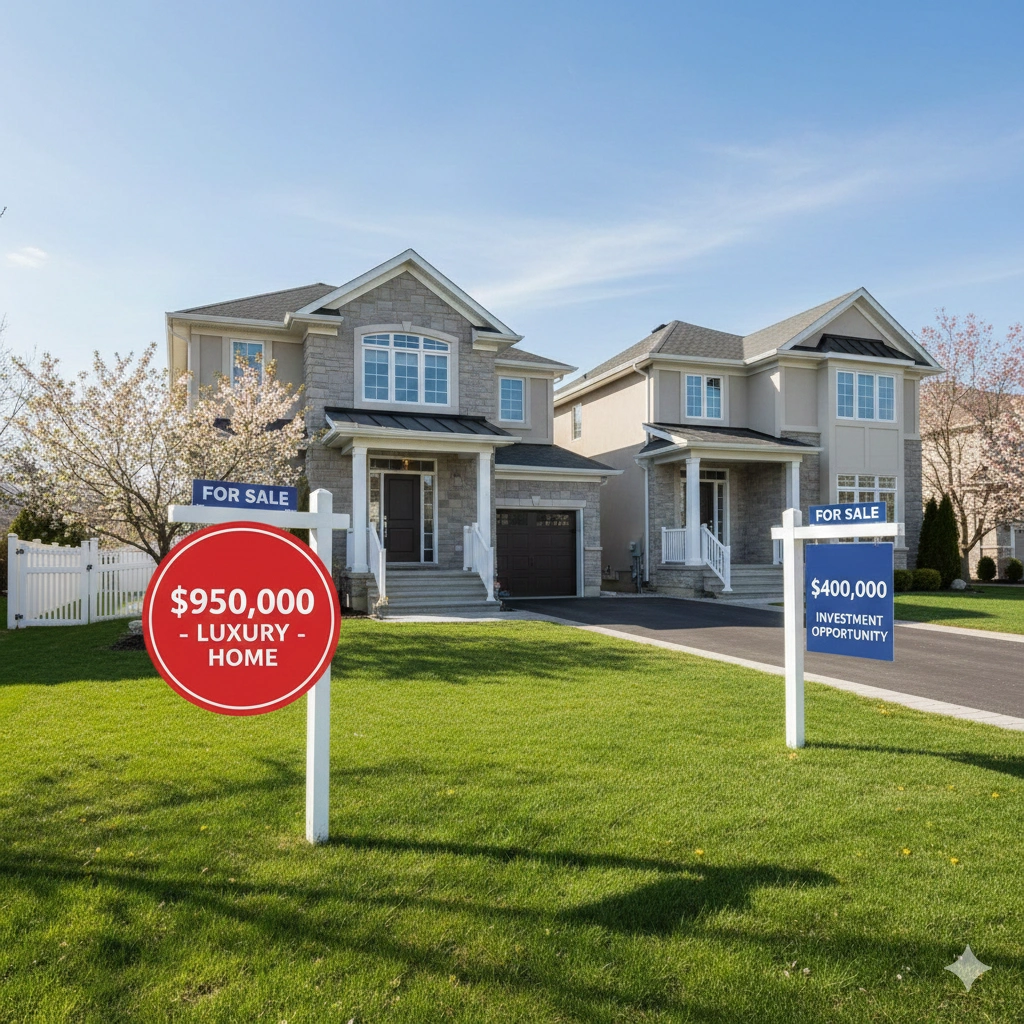
At first glance, two homes in the same neighborhood may look almost identical. They share the same street, similar square footage, and even comparable layouts. Yet, when the appraisal reports arrive, the values can be surprisingly different. This situation often confuses homeowners, buyers, and sellers alike.
Understanding home appraisal value differences is essential if you want realistic expectations during buying, selling, refinancing, or tax assessments. In this guide, we’ll break down exactly why these differences occur and how appraisers evaluate properties beyond surface-level similarities.
What Causes Home Appraisal Value Differences?
Home appraisal value differences occur because appraisers evaluate far more than just location. Condition, upgrades, layout, lot features, maintenance history, and recent comparable sales all influence final value.
Even small variations can create large valuation gaps.
1. Property Condition Plays a Major Role
One of the biggest contributors to home appraisal value differences is the overall condition of the property.
Appraisers closely examine:
- Roof age and condition
- Plumbing and electrical systems
- HVAC performance
- Signs of water damage or structural issues
- Interior wear and tear
Two homes built in the same year can appraise very differently if one has been consistently maintained while the other has deferred repairs.

2. Renovations and Upgrades Matter—But Not All Equally
Upgrades often increase value, but not all improvements carry the same weight. Appraisers consider:
- Kitchen and bathroom remodels
- Flooring upgrades
- Energy-efficient windows
- Updated appliances
- Smart home features
However, over-customization can reduce appeal. A luxury upgrade that doesn’t match neighborhood standards may not increase value proportionally, contributing to home appraisal value differences.
3. Layout and Functional Design
Even with identical square footage, layout efficiency affects value. Appraisers evaluate:
- Bedroom and bathroom count
- Flow between rooms
- Usable living space vs. wasted space
- Storage availability
A home with a practical layout often appraises higher than one with awkward room placement, creating noticeable home appraisal value differences.
4. Lot Size, Shape, and Usability
Land characteristics significantly impact value:
- Larger lots usually appraise higher
- Flat, usable land is preferred
- Corner lots or irregular shapes can affect desirability
- Flood zones or easements reduce value
Two homes in the same area may sit on very different parcels, directly causing home appraisal value differences.
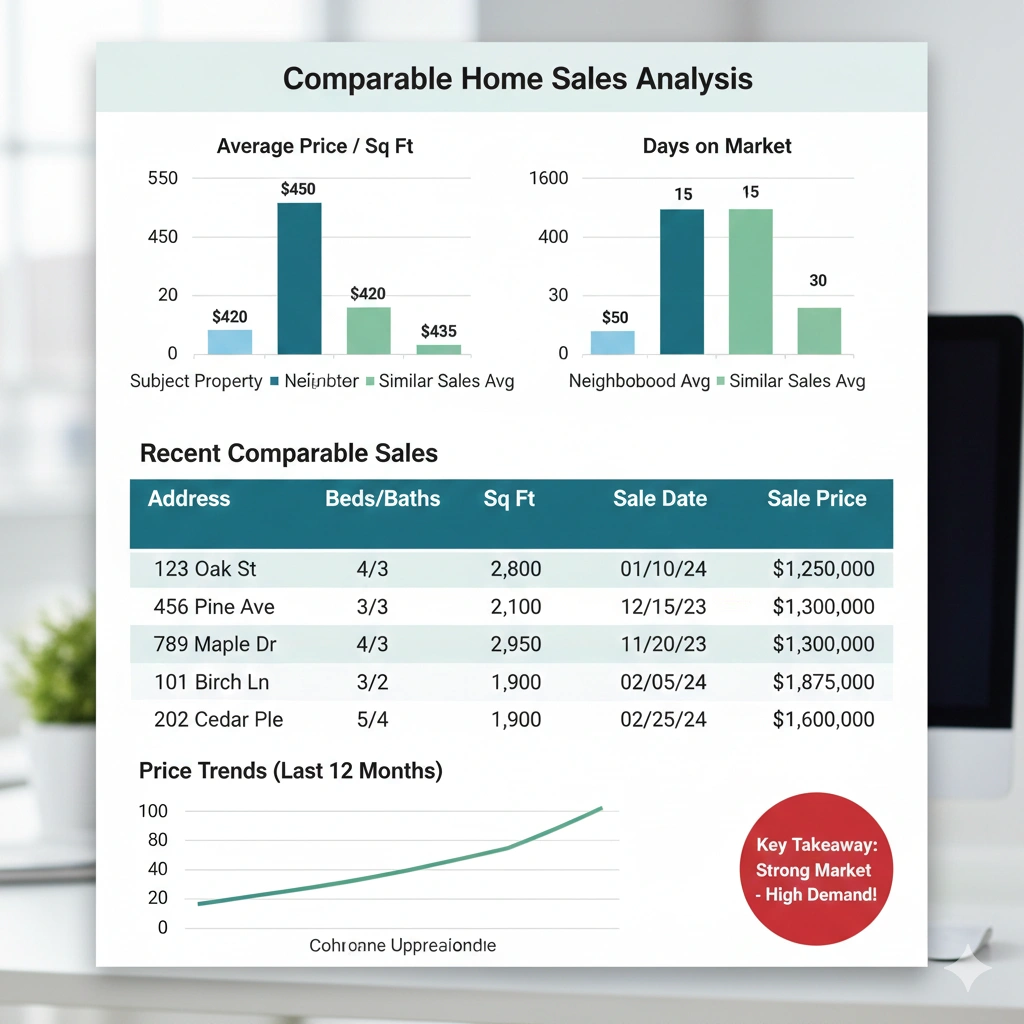
5. Comparable Sales (Comps) Used for Each Property
Appraisers rely heavily on recent comparable sales. However, the specific comps chosen can differ:
- Timing of recent sales
- Condition of sold properties
- Adjustments for upgrades or deficiencies
If one home’s closest comps sold higher due to renovations or better condition, it may appraise higher—even within the same neighborhood.
6. Quality of Construction and Materials
Construction quality often goes unnoticed by buyers but not by appraisers. They assess:
- Building materials
- Craftsmanship
- Insulation quality
- Foundation type
Higher-quality construction leads to durability and longevity, contributing to home appraisal value differences.
7. Energy Efficiency and Utility Costs
Energy-efficient homes often receive higher appraisals because they reduce long-term costs. Appraisers consider:
- Solar panels
- Insulated windows
- Energy-efficient HVAC systems
- Smart thermostats
Lower operating costs increase buyer appeal and influence appraisal values.
8. Curb Appeal and Exterior Presentation
First impressions matter—even in appraisals. Exterior factors include:
- Landscaping quality
- Exterior paint condition
- Driveway and walkway condition
- Fencing and outdoor features
Better curb appeal can subtly yet meaningfully impact home appraisal value differences.
9. Legal, Zoning, and Use Restrictions
Zoning and legal considerations affect value:
- HOA restrictions
- Zoning limitations
- Permitted vs. unpermitted additions
- Easements or shared access
Two neighboring homes may have different legal statuses, affecting appraised value.
10. Market Demand for Specific Features
Buyer demand shifts over time. Appraisers adjust for:
- Home offices
- Additional bathrooms
- Outdoor living spaces
- Parking availability
Homes aligned with current buyer preferences often appraise higher, increasing home appraisal value differences.
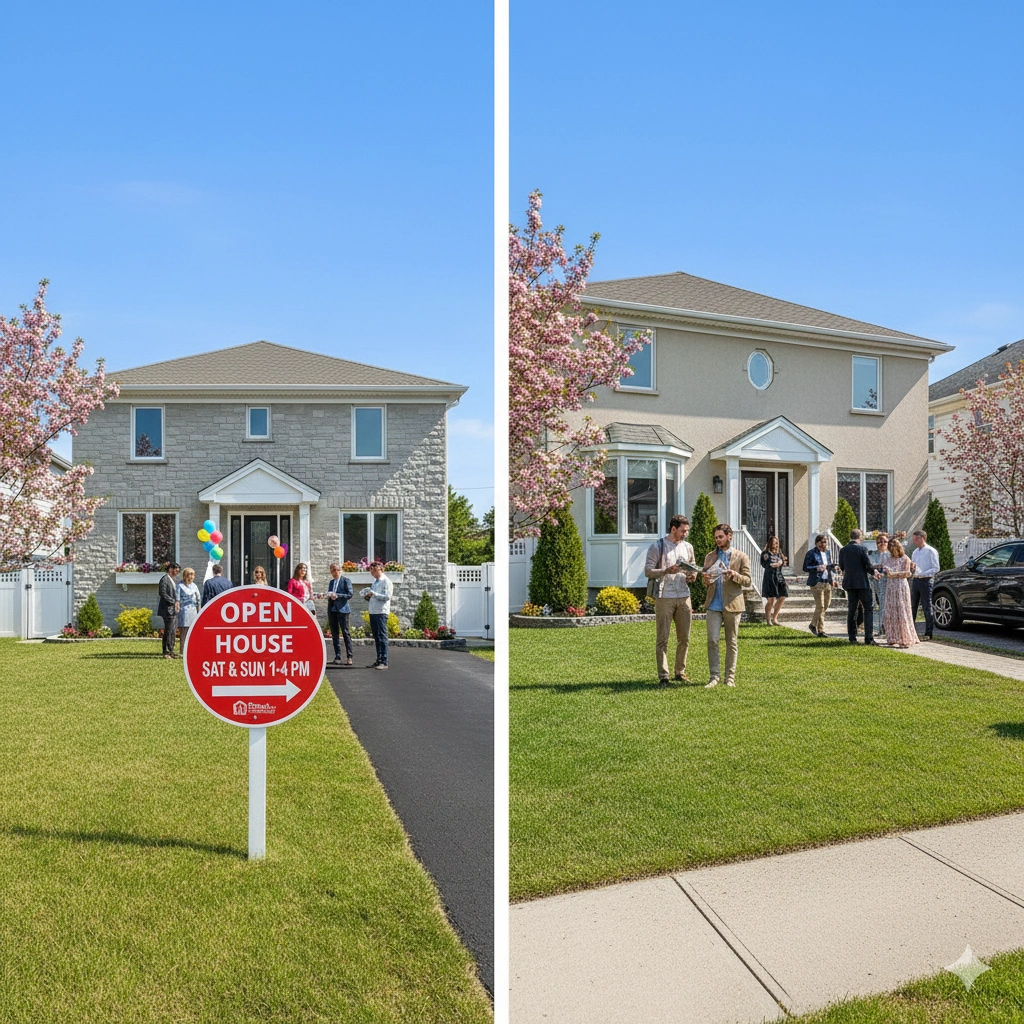
How Appraisers Adjust for Differences
Appraisers don’t guess—they adjust values systematically. Adjustments are made for:
- Square footage differences
- Condition
- Upgrades
- Lot characteristics
These adjustments explain why two similar homes rarely share the same appraisal value.
What Homeowners Can Do to Reduce Negative Appraisal Differences
You can take proactive steps:
- Complete minor repairs
- Clean and declutter
- Document upgrades
- Provide permits and maintenance records
- Improve curb appeal
Preparation helps minimize unfavorable home appraisal value differences.
Frequently Asked Questions
1. Why do two similar homes have different appraisal values?
Short answer: Because appraisals consider condition, upgrades, layout, and comps—not just location.
2. Do renovations always increase appraisal value?
Not always. Over-improvements may not match neighborhood standards.
3. Can appraisal values differ between lenders?
Yes. Different appraisers and comps can lead to variation.
4. Can I challenge an appraisal difference?
Yes. You can request a reconsideration with supporting comps and documentation.
Understanding home appraisal value differences helps homeowners, buyers, and investors make informed decisions. Even in the same neighborhood, no two properties are truly identical. Appraisers look deeper than appearances, analyzing every detail that affects long-term value.
Knowing what drives these differences puts you in control—whether you’re selling, buying, refinancing, or planning future improvements.
Author: Mangesh
Last Updated: December 2025
Category: Home Appraisal & Real Estate Valuation
Follow Us: facebook.com | instagram.com | linkedin.com | BackBoneDataSolutions.com