




A home appraisal can feel like a major milestone—whether you’re buying, selling, refinancing, or appealing property taxes. But many homeowners are unsure about what comes next after home appraisal is completed.
Understanding the steps after home appraisal helps you avoid delays, make informed decisions, and protect your financial interests. This guide explains exactly what to do, what to expect, and how to respond based on your appraisal outcome.
First: Understand the Purpose of the Home Appraisal
Before taking action after home appraisal, it’s important to understand why the appraisal was done:
- To confirm market value for a buyer or lender
- To support refinancing approval
- To resolve pricing disputes
- To assist with tax appeals or legal matters
The appraisal report becomes a key decision-making document moving forward.
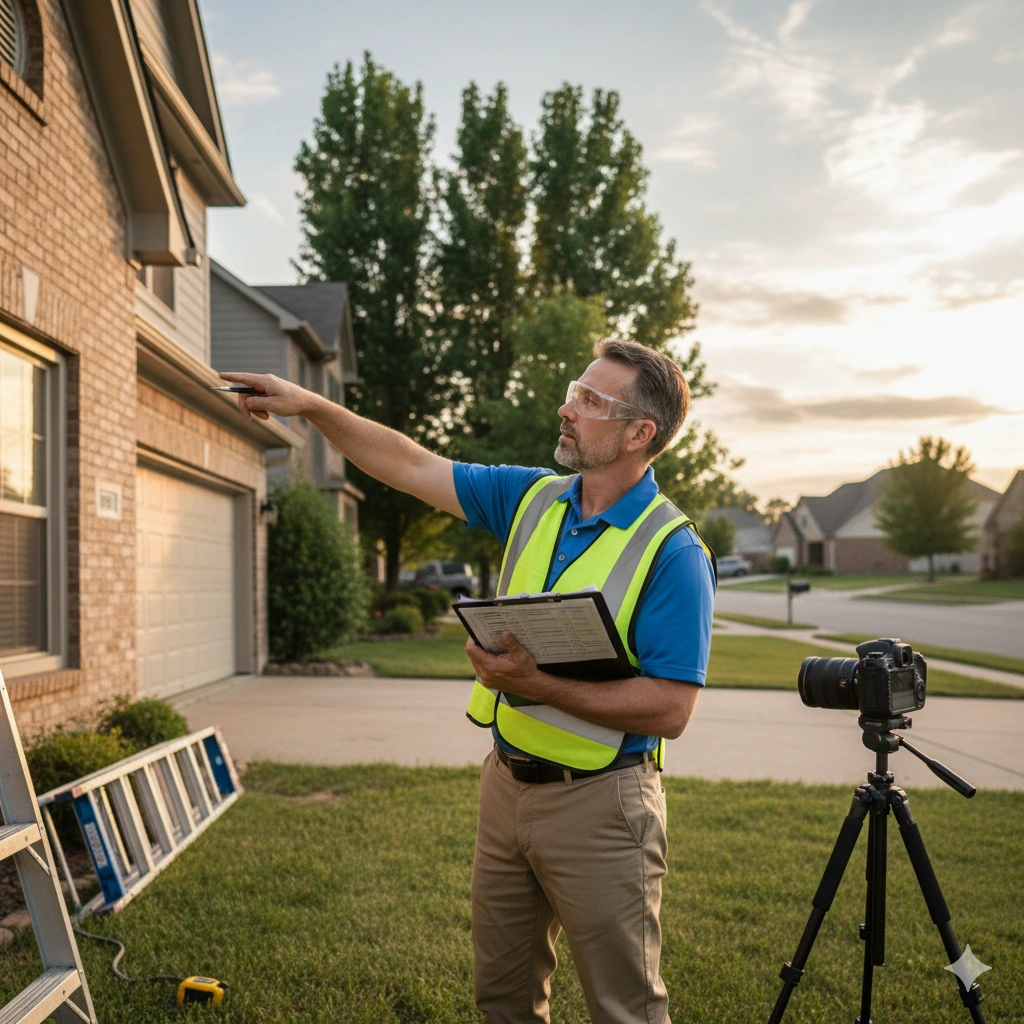
Step 1: Carefully Review Your Appraisal Report
The very first thing to do after home appraisal is to review the report in detail.
Key areas to check:
- Final appraised value
- Comparable sales (comps) used
- Property details (square footage, rooms, upgrades)
- Adjustments made by the appraiser
- Market conditions
Even small errors can impact value, so accuracy matters.
Step 2: Compare the Appraised Value with Expectations
What happens after home appraisal depends largely on whether the value matches expectations.
Possible outcomes:
- Appraised value matches or exceeds expectations
- Appraised value comes in slightly lower
- Appraised value is significantly lower
Each scenario requires a different response strategy.
Step 3: If the Appraisal Meets or Exceeds Expectations
If the value aligns with your goals, the process after home appraisal becomes smooth.
What to do next:
- Buyers proceed with mortgage approval
- Sellers move toward closing confidently
- Refinancing applications move forward
- Tax appeals gain strong supporting evidence
In this case, your role is mainly to stay responsive and keep paperwork moving.
Step 4: If the Appraisal Value Is Lower Than Expected
A low appraisal can feel stressful, but it’s not the end of the road. Knowing what to do after home appraisal protects your position.
Options include:
- Requesting a reconsideration of value
- Renegotiating the purchase price
- Providing additional comparable sales
- Making up the difference in cash
- Switching loan programs
This is where professional guidance matters most.

Step 5: Challenge the Appraisal (If Needed)
If errors are present, challenging the appraisal is a valid step after home appraisal.
Valid reasons to challenge:
- Incorrect square footage
- Missing upgrades or renovations
- Poor or outdated comparable sales
- Market changes not considered
How to challenge:
- Gather supporting documentation
- Submit a formal reconsideration request
- Work through your lender or agent
Challenges must be factual—not emotional.
Step 6: Understand the Impact on Buyers
For buyers, after home appraisal, the outcome affects financing and negotiations.
Buyer considerations:
- Loan approval depends on appraised value
- Down payment requirements may change
- Renegotiation opportunities may arise
Buyers should review options calmly before making decisions.
Step 7: Understand the Impact on Sellers
For sellers, the steps after home appraisal influence pricing and deal stability.
Seller options:
- Adjust listing price
- Offer credits or repairs
- Request appraisal review
- Wait for a different buyer
A low appraisal doesn’t always reflect poor property quality—it may reflect timing or comps.
Step 8: After Home Appraisal for Refinancing
When refinancing, what you do after home appraisal directly affects loan terms.
Key impacts:
- Loan-to-value (LTV) ratio
- Interest rate eligibility
- Cash-out refinancing limits
If the value is lower, refinancing may still proceed—but with adjustments.

Step 9: Use the Appraisal for Property Tax Appeals
Another important step after home appraisal is using the report for tax purposes.
Benefits:
- Supports property tax appeal cases
- Provides documented market value
- Helps reduce annual tax burden
Many homeowners overlook this opportunity.
Step 10: Keep the Appraisal Report for Future Use
Even once the transaction ends, save your appraisal.
Why it matters:
- Useful for future refinancing
- Supports resale pricing
- Helps with estate planning
- Assists legal or insurance needs
A professional appraisal remains valuable long after closing.
Common Mistakes to Avoid After Home Appraisal
Avoid these common errors after home appraisal:
- Ignoring report details
- Reacting emotionally to low value
- Missing reconsideration deadlines
- Assuming appraisals can’t be challenged
- Failing to consult professionals
Smart decisions come from informed actions.
Frequently Asked Questions
Q1: How long is a home appraisal valid?
Short Answer: Typically 90–180 days, depending on lender requirements.
Q2: Can a home appraisal be revised?
Short Answer: Yes, if factual errors or better comparable data exist.
Q3: Does a low appraisal cancel a sale?
Short Answer: No. Negotiation or financing adjustments often resolve issues.
Q4: Who receives the appraisal report?
Short Answer: The lender and borrower; sellers usually receive copies upon request.
What you do after home appraisal can significantly impact your financial outcome. Whether the value meets expectations or presents challenges, understanding your options gives you control.
By reviewing the report carefully, responding strategically, and seeking expert guidance when needed, you can turn the appraisal into a powerful advantage—not a setback.
Author: Mangesh
Last Updated: December 2025
Category: Medical Billing & Healthcare Management
Follow Us: facebook.com | instagram.com | linkedin.com | BackBoneDataSolutions.com