




A home appraisal report is one of the most important documents in any real estate transaction. Whether you're buying, selling, refinancing, or applying for a mortgage, this report determines your property’s fair market value.
Many homeowners receive the report but don’t fully understand what it means. Misreading it may lead to wrong pricing decisions, loan rejections, or missed negotiation opportunities.
This guide explains the structure of a home appraisal report, how to read it, and what key details to look for.
What Is a Home Appraisal Report?
A home appraisal report is a legally recognized valuation document prepared by a certified appraiser to estimate a property’s fair market value.
It includes:
- Property details
- Comparable sales (comps)
- Market analysis
- Appraiser’s final valuation
Key Sections of a Home Appraisal Report
A standard home appraisal report contains multiple sections. Here’s what each one means:
1. Property Information
Includes lot size, construction year, total rooms, upgrades, location details.

2. Neighborhood Analysis
Covers:
- Market trends
- Crime rates
- Commercial development
- School district value
Why it matters: A high-value neighborhood can boost the final home value even if the house is average.
3. Comparable Sales (Comps)
The report lists 3–6 recently sold homes similar to yours.
- Location
- Size
- Age
- Upgrades
- Sold price
Comps influence 70–80% of the property value.
4. Improvements & Upgrades
The appraiser notes renovations such as:
- Modular kitchen
- Roof replacement
- Exterior paint
- Smart home systems
Important: Provide receipts to justify value improvements.
5. Final Value Estimation
This is the official market value that banks and buyers accept.
It will be listed in bold near the end of the report.
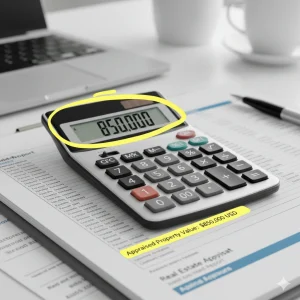
Example: Final estimated property value: ₹87,50,000
How to Read a Home Appraisal Report Like a Pro
- Check accuracy – address, square footage, lot size
- Evaluate comps – are they fairly matched?
- Look for adjustments – why did the appraiser reduce or increase value?
- See market conditions – rising or declining trends
- Check condition rating – C1 (excellent) to C6 (bad)
Common Mistakes Homeowners Make
- Not reviewing the report carefully
- Ignoring incorrect data
- Assuming appraisal = selling price
- Not challenging undervalued reports
- Forgetting that market changes affect value
What If You Disagree with the Appraisal Report?
You can request a Reconsideration of Value (ROV) with evidence.
Steps:
- Highlight incorrect details
- Provide better comps
- Submit upgrade proofs
- Ask lender to order a review

How a Home Appraisal Report Affects Mortgage Approval
- If appraisal value is lower than sale price → Loan may be denied
- If it is equal or higher → Mortgage smoothly approved
- Refinancing also requires a strong appraisal score
Sample Layout of a Home Appraisal Report
| SECTION | DETAILS |
|---|---|
| Property Info | Size, rooms, age, condition |
| Neighborhood | Market trends, location factors |
| Comparable Sales | 3–6 similar recent property sales |
| Adjustments | Price corrections based on features |
| Final Value | Estimated fair market value |
FAQs About Home Appraisal Reports
1. How long is a home appraisal report valid?
Typically 90 days, sometimes up to 6 months.
2. Can homeowners influence appraisal value?
Yes, through upgrades, maintenance, and proper documentation.
3. Is a home appraisal the same as inspection?
No. Inspection checks physical condition; appraisal determines value.
A home appraisal report is more than just a price estimate—it's a powerful financial tool. Understanding its structure helps you negotiate better, refinance smartly, and avoid costly mistakes.
When read properly, the home appraisal report protects your equity and ensures fair market value.
Author Info
Author: Mangesh
Last Updated: November 2025
Category: Property Valuation & Appraisal
Follow Us: facebook.com | instagram.com | linkedin.com | BackBoneDataSolutions.com