



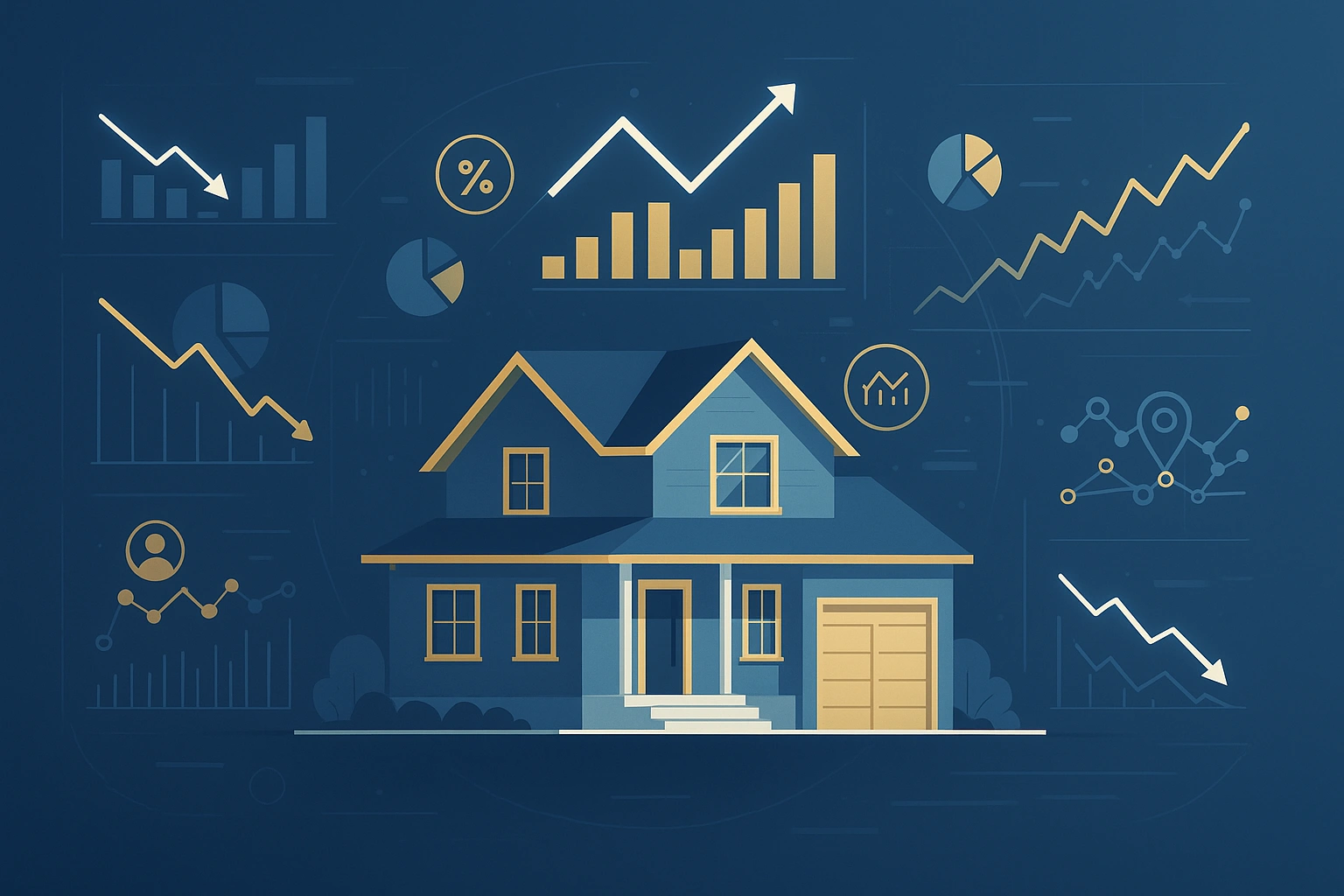
Your home appraisal value isn’t just about square footage, condition, or upgrades. While these factors matter, the real engine behind your home’s valuation lies in market trends. Real estate markets rise, fall, or stabilize based on a wide mix of economic, demographic, and seasonal conditions—and every one of these trends affects how appraisers determine a property’s true worth.
Whether you’re planning to sell, refinance, invest, or simply understand your home’s position in the market, knowing how market shifts influence your home appraisal value can help you make smart decisions.
This blog breaks everything down clearly, simply, and with expert-backed explanations.
What Is Home Appraisal Value?
A home appraisal value is the appraiser’s professional estimate of your property’s fair market value based on condition, location, comps, and market trends.
Appraisers determine value using:
- Comparable sales
- Local supply and demand
- Market conditions
- Property condition
- Neighborhood trends
- Recent buyer behavior
But among these, market trends are the largest external force shaping your home’s valuation—often beyond your control.

How Market Trends Influence Your Home Appraisal Value
Real estate markets shift constantly. Appraisers must adjust their analysis to reflect current trends, not past conditions. That’s why two appraisals done months apart can show totally different values.
Let’s break down the key trends that influence your home appraisal value.
1. Supply and Demand Conditions
Real estate follows a basic rule: when demand goes up and supply stays low, home prices rise.
If it’s a seller’s market:
- Low inventory
- High buyer competition
- Homes sell quickly
- Appraisal values trend higher
If it’s a buyer’s market:
- High inventory
- Lower buyer activity
- Longer time on market
- Appraisal values may be conservative
Appraisers analyze these trends through:
- Days on market
- Number of active listings
- Pending sales
- Market absorption rate
Your home appraisal value increases or decreases depending on the balance between supply and demand.

2. Recent Comparable Sales Activity
Appraisers rely heavily on comparable sales ("comps")—homes similar to yours that sold recently.
When market trends shift:
- Rising markets → comps show increasing values
- Declining markets → comps show lower prices
If multiple comps show upward momentum, your home appraisal value will likely be higher.
But if sales are slowing or dropping, the appraisal reflects that too.
3. Interest Rates and Mortgage Trends
Interest rates influence buyer affordability.
Low interest rates → higher appraisal value
Because:
- More buyers qualify
- More competition
- Higher purchase offers
High interest rates → lower appraisal value
Because:
- Fewer buyers enter the market
- Homes take longer to sell
- Sellers reduce asking prices
Appraisers track rate trends through Federal Reserve reports and lender data.
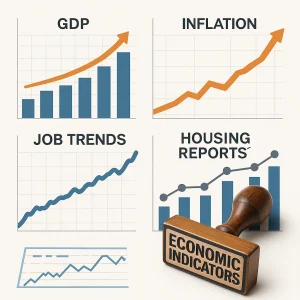
4. Economic Conditions (Local + National)
Strong local economies boost home appraisal value.
Positive trends include:
- Job growth
- Business expansion
- Population increase
- High household income
Negative economic conditions—layoffs, economic downturns, inflation—can push values lower.
Appraisers use economic reports, census data, and labor statistics to evaluate this.
5. Neighborhood Development & Infrastructure
Neighborhood improvements increase desirability.
Factors that raise appraisal value:
- New schools
- Metro / highway expansion
- Shopping centers
- Parks and recreational amenities
- Major commercial development
Declining neighborhoods, on the other hand, may lower your home appraisal value.
6. Seasonal Market Trends
Real estate is highly seasonal:
- Spring & Summer = Higher Values
Because more buyers enter the market. - Fall & Winter = Lower Activity
Fewer buyers → lower appraisal momentum.
Appraisers adjust value based on seasonal transaction data.
7. Housing Market Forecasts & Predictive Trends
Appraisers also look at industry forecasts to estimate stability.
Forecast indicators include:
- Price appreciation trends
- Inventory projections
- Buyer sentiment surveys
- Construction activity
If the market is expected to rise, appraisers might assign stronger confidence to upward values.
8. Distressed Sales in the Area
Foreclosures and short sales influence market trends.
Even if your home is well-maintained, nearby distressed sales can:
- Pull down comparable sales
- Lower neighborhood averages
- Decrease appraisal confidence
Appraisers must analyze whether such sales represent the market—or are isolated.

Tips to Improve Your Home Appraisal Value Despite Market Trends
You cannot control the market, but you can improve how your home is evaluated.
Smart steps include:
- Complete small repairs
- Improve curb appeal
- Declutter & deep clean
- Update fixtures
- Provide appraiser with a home improvement list
- Highlight neighborhood improvements
- Offer comps if your agent has better data
Even in a declining market, your home's unique features can still increase your home appraisal value.
FAQ: Home Appraisal Value & Market Trends
Q1. Can market trends make my appraisal lower than expected?
Yes. If the market is slow or price declines are occurring, the value may come in lower.
Q2. What if my appraisal value is lower than my offer price?
You can renegotiate, challenge the appraisal, or request a second appraisal.
Q3. How long are market trends considered in an appraisal?
Appraisers typically analyze sales from the past 90–180 days.
Q4. Do rising interest rates affect home appraisal value?
Yes. Rising rates usually reduce buyer activity → lower valuations.
Your home appraisal value is influenced as much by the market as by the home itself. By understanding trends like supply and demand, interest rates, comps, and economic conditions, you’ll be better prepared when refinancing, selling, or investing.
While you can’t control the market, you can control how well you prepare—and knowledge is your best negotiation tool.
Author Info
Author: Mangesh
Last Updated: November 2025
Category: Home Appraisal & Property Valuation
Follow Us: facebook.com | instagram.com | linkedin.com | BackBoneDataSolutions.com