




In today’s market—where pricing mistakes can cost homeowners thousands—working with the right expert is not optional. It's essential.
This guide explains how to choose the right Home Appraisal, what to look for, what certifications matter, and how to avoid common mistakes homeowners make during the process.
Why Choosing the Right Home Appraiser Matters
A Home Appraisal directly influences your home’s perceived value. Whether you're selling or refinancing, their evaluation determines:
- Loan approval amount
- Market competitiveness
- Tax assessments
- Insurance decisions
- Negotiation power
A qualified Home Appraisal ensures you don’t undersell or overpay, making their role essential for smart real estate decisions.
What a Home Appraiser Actually Does
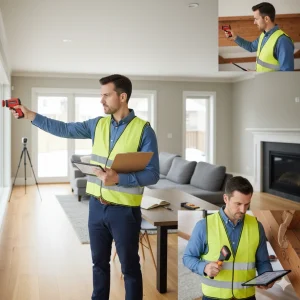
A Home Appraiser evaluates the condition, size, upgrades, location, and market activity surrounding your home to determine its fair market value.
Their report includes:
- Comparable sales
- Home layout, features, and upgrades
- Neighborhood quality
- Market trends
- Property condition
Key Qualifications to Look for in a Home Appraiser
Not all appraisers are equal. To choose the right Home Appraisers, ensure they meet important certification and experience standards.
1. State Licensing or Certification
A legitimate appraiser must hold one of the following:
- Licensed Residential Appraiser
- Certified Residential Appraiser
- Certified General Appraiser
Certification matters because it ensures the Home Appraiser follows legal and ethical valuation standards.
2. Local Market Knowledge
A good Home Appraiser should know:
- Local price trends
- Neighborhood demand
- City-specific regulations
Local expertise prevents inaccurate valuations.
3. Experience with Your Property Type
Different homes require different valuation experience:
- Condo vs. single-family
- Luxury homes
- Rural properties
- Newly constructed homes
Choose a Home Appraiser who has previously worked on similar homes.

Questions to Ask Before Hiring a Home Appraiser
To avoid surprises, ask these important questions:
1. Are you a certified or licensed Home Appraiser?
This confirms their qualifications.
2. How long have you been appraising homes in this area?
Local experience = more accurate valuations.
3. What type of homes do you specialize in?
Specialization reduces appraisal errors.
4. Can you provide references or past work samples?
Professional appraisers should have no issue sharing this.
5. Do you follow USPAP standards?
USPAP = Uniform Standards of Professional Appraisal Practice (legal requirement in the U.S.).
Where to Find a Qualified Home Appraiser
Here are the most trustworthy places to find professionals:
- Appraisal Institute Directory
- National Association of Realtors (NAR)
- Local real estate networks
- Bank-recommended appraisers
- Online certified appraiser listings
When choosing a Home Appraisal, always verify credentials before booking.
Common Mistakes People Make When Choosing an Appraiser
Hiring based on cheapest price
Low cost often means little experience or lack of certification.
Not checking local experience
An out-of-area appraiser may misunderstand market trends.
Not verifying licensing
This can lead to incorrect reports or rejected loan applications.
Assuming any real estate agent can appraise
Agents provide CMAs (Comparative Market Analyses), not formal valuations.
Avoiding these errors ensures you hire the right Home Appraisal for an accurate valuation.

How to Prepare Your Home for an Accurate Appraisal
A Home Appraiser evaluates both condition and presentation. Follow these tips:
Make minor repairs
Fix leaks, cracked tiles, broken switches, etc.
Clean and declutter
A neat home looks well-maintained.
Highlight upgrades
Provide a list of renovations with dates and receipts.
Improve curb appeal
Landscaping, paint, and tidy walkways help your valuation.
A well-presented home can positively influence a Home Appraiser’s final report.
Red Flags: Signs You Should Not Hire an Appraiser
Be cautious if the appraiser:
- Refuses to show license
- Has poor reviews
- Does not understand the local market
- Rushes the inspection
- Offers suspiciously low pricing
- Guarantees a specific value (illegal practice)
These signs indicate an unreliable Home Appraiser you should avoid.

FAQs About Choosing a Home Appraiser
1. How do I know if a Home Appraiser is certified?
Check your state’s licensing board or ask for their certificate number.
2. Can I choose my own Home Appraiser when refinancing?
Lenders often use appraisal management companies (AMCs), but you can request a list of approved appraisers.
3. How much does a Home Appraiser cost?
Typically between $300–$700, depending on property size and type.
4. How long does the appraisal process take?
The inspection takes 30–60 minutes, and the report typically arrives in 3–7 days.
5. Can a Home Appraiser influence my selling price?
They don’t set your price, but their valuation strongly impacts buyer confidence and loan approval.
Choosing the right Home Appraiser can protect your financial interests and ensure your property is valued accurately. With the right credentials, market experience, and professionalism, an appraiser can give you confidence during selling, refinancing, or investment decisions.
Author Info
Author: Mangesh
Last Updated: November 2025
Category: Real Estate Appraisal
Follow Us: facebook.com | instagram.com | linkedin.com | BackBoneDataSolutions.com