



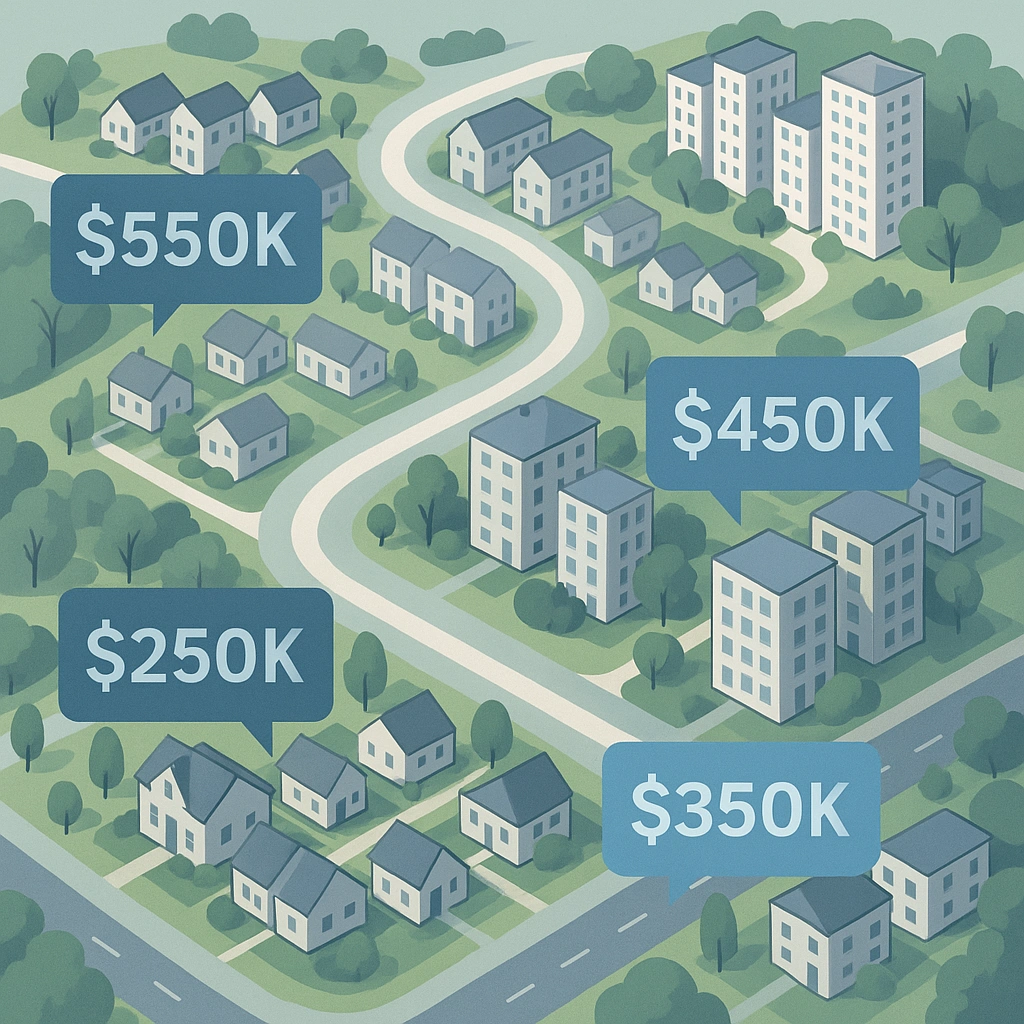
The phrase “Location, location, location” is more than a real estate cliché — it’s one of the strongest forces shaping your home appraisal value. Even the most beautiful home can receive a lower valuation if it’s in the wrong area, while a modest home in a prime neighborhood can appraise significantly higher.
In this guide, we break down how Location Impact on Home Appraisal works, which neighborhood factors matter the most, and what homeowners should understand before selling, refinancing, or investing.
What Does Location Impact on Home Appraisal Really Mean?
Location Impact on Home Appraisal refers to how the surrounding environment — from school districts to nearby amenities — directly influences the market value of a home.
Appraisers don’t evaluate homes in isolation. They consider where the home is located just as seriously as what the home offers.
This is why two identical houses in different areas can have drastically different appraisal values.
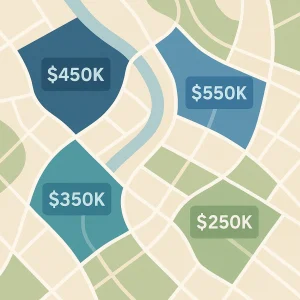
Why Location Is One of the Most Powerful Appraisal Factors
The Location Impact on Home Appraisal is so significant because buyers pay not just for the house, but the lifestyle and convenience the location provides.
Key reasons location affects value:
- It determines demand and desirability
- It influences long-term appreciation
- It affects safety, access, and convenience
- It impacts school options, job accessibility, and amenities
A prime location often means a higher appraisal value, even if the property itself hasn’t been upgraded.
School District Quality
School quality is one of the biggest drivers of Location Impact on Home Appraisal.
Appraisers look at:
- School performance ratings
- Student-to-teacher ratios
- Proximity to schools
- Rankings in state education reports
Homes in good school zones consistently appraise higher because families are willing to pay a premium.
Proximity to Amenities & Services
The closer a home is to essential amenities, the stronger the Location Impact on Home Appraisal.
High-value nearby amenities:
- Grocery stores
- Medical centers
- Public transportation
- Gyms & shopping malls
- Dining and entertainment
- Parks and walkable spaces
Walkability scores significantly influence modern buyer preferences and appraisal values.

Crime Rates & Neighborhood Safety
Safety is fundamental in determining the Location Impact on Home Appraisal.
Appraisers review:
- Local police reports
- Community crime statistics
- Trends over the last few years
Lower-crime areas generally see higher demand and higher appraisal values.
Future Development & Zoning Laws
One powerful — often overlooked — component of the Location Impact on Home Appraisal is future growth.
Development that increases value:
- Upcoming metros/light rail
- New schools
- Business hubs or IT parks
- New highways or flyovers
Development that decreases value:
- Industrial plants
- Landfills
- High-traffic commercial zones
Appraisers always consider where the neighborhood is headed, not just how it is right now.
Neighborhood Condition & Curb Appeal
Well-maintained neighborhoods create a positive Location Impact on Home Appraisal.
Appraisers note:
- Sidewalk quality
- Building maintenance
- Landscaping
- General cleanliness
- Age and style of homes around the property
If surrounding homes are neglected, even a renovated home may receive a lower appraisal.

Commute & Accessibility
Commute times remain a major factor for buyers and heavily influence the Location Impact on Home Appraisal.
Homes with quick access to:
- Major highways
- Public transit
- Airports
- Employment hubs
tend to appraise higher due to convenience.
Market Trends & Local Demand
Regional market conditions amplify the effect of Location Impact on Home Appraisal.
Examples:
- Hot markets → higher appraisal values
- Oversupplied markets → lower appraisal values
- Rapidly growing cities → steeper appreciation
- Declining areas → suppressed values
Appraisers examine price trends, sales velocity, and absorption rates before determining the home appraisal value.
Comparable Sales (Comps) in the Area
Location determines which comps are used, and comps determine the baseline home appraisal value.
Homes sell differently within the same city but different neighborhoods, making comps essential.
How Homeowners Can Improve Location-Based Appraisal Value
While you can’t change your location, you can improve how your home competes within it.
Tips:
- Enhance curb appeal
- Renovate outdated areas
- Maintain the lawn and exterior
- Provide recent neighborhood improvements to the appraiser
- Document new community facilities
- Highlight low-crime or upgraded infrastructure
These small actions can positively influence the final home appraisal value.

FAQ: Location Impact on Home Appraisal
1. Does location matter more than home upgrades?
Yes. Location often outweighs property upgrades because demand is location-driven.
2. Can a bad neighborhood lower my home appraisal value?
Absolutely. Crime rates, poor road conditions, and lack of amenities reduce value.
3. How far do appraisers search for comps?
Typically 0.5–1 mile, unless the property is rural or unique.
4. Do school zones really affect the appraisal?
Yes — significantly. Strong school districts boost home appraisal value.
5. Can future development increase my appraisal value?
Yes. Infrastructure growth and commercial expansion can uplift valuations.
Understanding the Location Impact on Home Appraisal gives homeowners, buyers, and investors an advantage. Location shapes demand, appreciation potential, and lifestyle — all of which determine your home’s true market value.
Before selling or refinancing, take time to study your neighborhood trends. It makes a real difference in your final home appraisal value.
Author Info
Author: Mangesh
Last Updated: November 2025
Category: Real Estate / Home Appraisal
Follow Us: facebook.com | instagram.com | linkedin.com | BackBoneDataSolutions.com