



Medical billing should be a smooth and accurate process—but in reality, medical billing errors happen more often than most people realize. These mistakes cause financial stress, delays in patient care, denied claims, compliance problems, and major revenue losses for healthcare providers.
Whether you're a patient trying to understand a bill or a healthcare practice owner managing reimbursements, understanding how medical billing errors impact the entire system is essential.
In this blog, we break down the causes, consequences, and solutions—using real examples, simple language, and expert clarity.
What Are Medical Billing Errors?
Medical billing errors are mistakes in patient information, coding, charges, or insurance details that lead to incorrect bills, claim denials, delays, or compliance issues.
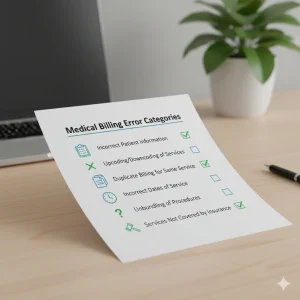
Common examples:
- Incorrect patient details
- Wrong CPT/ICD-10 codes
- Duplicate billing
- Upcoding or undercoding
- Wrong insurance information
- Missing documentation
These small mistakes can create big financial and emotional consequences.
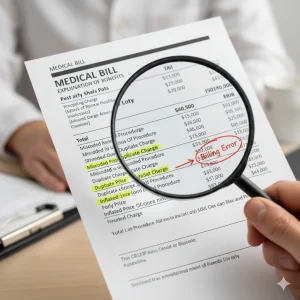
How Medical Billing Errors Affect Patients
Medical billing errors directly affect patients in ways that are often stressful and costly. Many people don’t even realize they are paying for services they didn’t receive—or being billed incorrectly.
1. Unexpected High Bills
When codes or charges are entered wrongly, patients may receive bills that are much higher than expected.
This causes anxiety and distrust, especially when the bill looks impossible to understand.
2. Delayed Treatment or Follow-up Care
Billing issues can delay:
- Insurance approvals
- Test authorizations
- Follow-up procedures
Patients sometimes postpone treatment because of financial uncertainty.
3. Damage to Credit Score
If bills remain:
- Unpaid
- Incorrect
- Or sent to collections
Patients can face long-term credit score damage—even when it wasn’t their fault.
4. Confusing Statements That Reduce Trust
Medical billing errors lead to frustration, forcing patients to:
- Make multiple calls
- Ask for clarification
- Request corrections
Over time, this weakens trust in the healthcare facility.

How Medical Billing Errors Affect Healthcare Providers
Medical billing errors don’t just hurt patients—they’re extremely costly for clinics, hospitals, and medical practices.
1. High Claim Denials and Rejections
Incorrect codes, missing modifiers, and wrong patient data all result in denied claims.
Each denial means:
- Lost revenue
- Time spent on corrections
- Delayed reimbursements
Even small errors can cost practices thousands monthly.
2. Lower Revenue and Cash Flow Issues
When claims are delayed or rejected, providers struggle with:
- Payroll
- Equipment purchases
- Day-to-day expenses
Medical coding mistakes slow down the entire revenue cycle.
3. Legal and Compliance Risks
Errors such as:
- Upcoding
- Unbundling
- Improper documentation
can trigger audits, fines, and legal action under HIPAA, CMS, and insurance rules.
4. Poor Patient Satisfaction Scores
Billing confusion leads to:
- Negative reviews
- Lower patient retention
- Complaints about transparency
This affects a practice’s reputation and long-term growth.

Common Types of Medical Billing Errors
Here are the most frequent mistakes in medical billing:
1. Coding Errors
- Incorrect ICD-10 codes
- Wrong procedure codes
- Missing modifiers
2. Duplicate Billing
Charging twice for the same service.
3. Insurance Errors
- Wrong insurance ID
- Out-of-network assumptions
- Missing authorizations
4. Incorrect Patient Information
Even a single digit error can lead to claim denial.
5. Incomplete Documentation
Missing notes, signatures, or reports.
6. Upcoding & Undercoding
This can cause compliance issues and legal penalties.
Why Do Medical Billing Errors Happen?
Main causes include:
- Outdated software
- Staff shortages
- Lack of billing training
- Constant code updates (CPT, ICD-10, CMS rules)
- Manual data entry mistakes
- Complex insurance policies
These problems show why many practices now rely on professional, specialized medical billing services.
Financial Impact of Medical Billing Errors
For Patients
- Overpayment
- Unexpected charges
- Debt collections
For Providers
- Revenue loss
- Lower reimbursements
- Rework and administrative costs
- Compliance fines
According to industry reports, nearly 80% of medical bills contain errors—proof of how widespread the issue is.
How to Prevent Medical Billing Errors
Best practices include:
1. Use Advanced Billing & Coding Software
Automated systems reduce human error and speed up accuracy.
2. Regular Staff Training
Billing rules change often—continuous learning is essential.
3. Implement Double-Check Systems
Use checklists, audits, and verification workflows.
4. Outsource to a Professional Medical Billing Company
This is one of the most effective solutions for reducing:
- Denials
- Rejections
- Coding mistakes
- Revenue loss

FAQ: Medical Billing Errors
Q1: What is the most common medical billing error?
Short Answer: Incorrect coding and patient information.
These lead to the highest number of claim denials.
Q2: Can medical billing errors be disputed?
Short Answer: Yes, patients can contact providers or insurance companies to request corrections.
Q3: How can providers reduce medical billing errors?
Short Answer: By using updated billing software, trained staff, and regular audits.
Q4: Do billing errors affect insurance approvals?
Short Answer: Yes, even small mistakes can delay or deny insurance claims.
Medical billing errors may seem small, but their impact on patients and providers is significant. From financial stress to compliance risks, every mistake has consequences. Ensuring accuracy not only improves patient trust but also strengthens the financial health of medical practices.
To reduce these issues, using modern tools, double-check systems, and partnering with an expert medical billing company is the best long-term solution.
Author Info
Author: Mangesh
Last Updated: November 2025
Category: Medical Billing & Healthcare Revenue Cycle
Follow Us: facebook.com | instagram.com | linkedin.com | BackBoneDataSolutions.com