




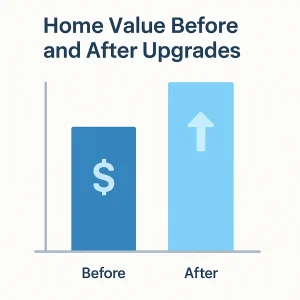
When homeowners invest in renovations, they hope those improvements will increase the value of their property. But how do appraisal companies actually calculate that increase? The answer lies in a structured, data-driven process called property appraisal upgrades valuation, where appraisers examine every enhancement to determine its true financial impact.
In this guide, we break down how appraisal companies identify, compare, and adjust values for upgrades — so you can understand how to maximize your return on renovation investments.
Why Property Upgrades Matter in Appraisals
Not all upgrades are equal. Some improvements add meaningful value, while others have limited impact. Appraisal companies assess property appraisal upgrades to determine how much each enhancement contributes to a home's overall market value.
1. Identifying All Upgrades in the Property
The first step in evaluating property appraisal upgrades is identifying all changes made to the home.
Appraisers look for:
- Kitchen remodels (new cabinets, countertops, appliances)
- Bathroom upgrades (tiles, fixtures, plumbing improvements)
- Flooring updates
- HVAC replacements
- Energy-efficient windows
- Roof replacements
- Smart home features
- Outdoor improvements like decks, patios, or landscaping
Every upgrade is documented because even small updates can influence the home's condition rating.
2. Reviewing Documentation & Upgrade Cost Evidence
Appraisal companies rely on documentation to validate property appraisal upgrades.
Useful documents include:
- Contractor invoices
- Material receipts
- Permit approvals
- Warranty papers
- Before-and-after photos
Upgrades without documentation may still increase value — but strong evidence helps the appraiser justify adjustments during lender reviews.
3. Comparing Upgrades to Local Market Standards
Every market has unique expectations. An upgrade that significantly boosts value in one area may not matter in another.
Appraisers ask:
- Are these upgrades common in nearby homes?
- Do local buyers value these improvements?
- Are similar upgraded homes selling at higher prices?
This helps determine if the property appraisal upgrades provide meaningful value or only cosmetic enhancement.

4. Verifying Upgrades Through Comparable Sales (Comps)
Comparable sales are essential in confirming the value of upgrades.
Appraisers look for comps with:
- Similar upgrades
- Similar age and style
- Similar location
- Similar condition
By comparing upgraded homes with non-upgraded homes, appraisal companies can isolate the value increase associated specifically with property appraisal upgrades.
5. Adjusting Value Based on Upgrade Quality
Not all upgrades add equal value. Quality plays a major role.
Appraisers classify upgrades into:
- Basic (budget-friendly materials)
- Mid-range (better durability and design)
- High-end/luxury (premium finishes and brands)
An inexpensive laminate floor does not carry the same appraisal value as hardwood oak flooring — even though both are upgrades.
This ensures property appraisal upgrades are valued fairly based on craftsmanship, durability, and appeal.
6. Considering Age and Condition of Upgrades
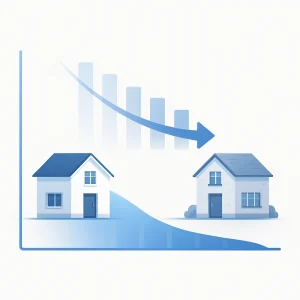
Even upgrades lose value over time.
Appraisers analyze:
- How old the upgrade is
- Whether it’s still in good condition
- If modern buyers still demand it
For example:
- A 2-year-old roof = high value
- A 20-year-old roof = limited value
This directly affects how property appraisal upgrades contribute to the final valuation.
7. Calculating Depreciation for Older Improvements
Appraisers use depreciation schedules to evaluate lasting value.
Factors include:
- Effective age of the upgrade
- Expected lifespan
- Wear and tear
- Remaining usefulness
This method ensures older property appraisal upgrades are not overvalued.
8. Measuring Functional vs. Cosmetic Improvements
Some upgrades improve living quality and safety — others simply enhance beauty.
Functional upgrades (higher valuation):
- New plumbing
- Updated electrical systems
- HVAC replacement
- Roof installation
Cosmetic upgrades (moderate valuation):
- Paint
- Lighting fixtures
- Decorative tiles
Appraisal companies separate these categories to measure how much the property appraisal upgrades truly influence long-term value.
9. Evaluating Energy Efficiency & Smart Home Features
Energy-efficient upgrades offer long-term savings, increasing desirability and resale potential.
High-value upgrades include:
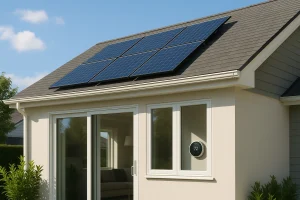
- Solar panels
- Smart thermostats
- Energy-efficient appliances
- Low-E windows
- Enhanced insulation
These improvements often add significant value to property appraisal upgrades, especially in eco-conscious markets.
10. Final Adjustment: Adding Upgrade Value to Appraisal Report
Once all adjustments are calculated, they are added to the final valuation.
Included in the report:
- Market-supported adjustment figures
- Comparable property analysis
- Estimated contribution of each upgrade
- Justification notes for lenders
This ensures property appraisal upgrades are clearly documented and supported by data, reducing the chance of lender disputes.
How Appraisers Calculate Upgrade Value
- To determine fair upgrade value, appraisal companies:
- Identify all upgrades
- Verify them with documentation
- Compare them with local sales
- Adjust for quality, age & depreciation
- Evaluate functional vs cosmetic value
- Add final adjustments to appraisal report
The final appraisal reflects the real market contribution of property appraisal upgrades.
Frequently Asked Questions
1. Do upgrades always increase home value?
No. Only upgrades that align with market demand add significant value.
2. Which upgrades add the most value?
Kitchen remodels, bathrooms, flooring, roof replacements, HVAC systems, and energy-efficient additions.
3. Do appraisers need receipts for upgrades?
Receipts help validate the cost and quality, but lack of documentation does not entirely remove value.
4. Do luxury upgrades guarantee higher appraisal value?
Not always — upgrades must match the neighborhood standard.
5. Which upgrades do not add value?
Highly personalized upgrades or luxury over-customization often add little or no value.
Author Info
Author: Mangesh
Last Updated: November 2025
Category: Real Estate Appraisal
Follow Us: facebook.com | instagram.com | linkedin.com | BackBoneDataSolutions.com