




Real estate valuation is never guesswork. It relies on facts, verified data, and market behavior. And at the center of every accurate home valuation lies one key element: real estate comparable sales, also known as “comps.”
When real estate appraisal companies determine a property’s value, they don’t rely on estimates or emotions. They use detailed comparable sales data from proven sources—and verify it through a strict, step-by-step process.
This blog breaks down how appraisal companies verify real estate comparable sales, why comps are so important, and how the verification process ensures fair, unbiased property valuations for buyers, sellers, lenders, and investors.
What Are Real Estate Comparable Sales?
Real estate comparable sales are recently sold homes with similar features, used by appraisers to determine a property’s market value.
Comps must be:
- Similar in property type
- Similar in size, age, and condition
- Located in the same or similar neighborhood
- Recently sold (usually within the past 6–12 months)
These verified data points help appraisal companies produce unbiased valuations.
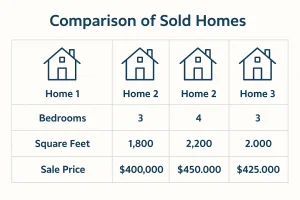
Why Comparable Sales Matter in Appraisal
For a property to be valued accurately, it must be compared to real, recent, and relevant market sales.
Real estate comparable sales help appraisers:
- Understand current market behavior
- Avoid inflated or emotional pricing
- Identify the true demand for similar properties
- Create reliable valuation adjustments
Without comps, appraisals would be guesswork—not a standardized valuation method.
How Real Estate Appraisal Companies Verify Comparable Sales
Appraisers follow a strict verification process to ensure comps are accurate, fair, and relevant.
Here’s how it works:
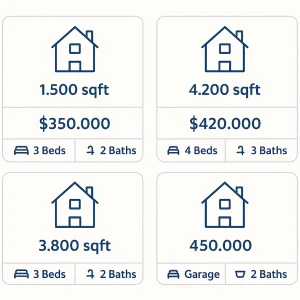
1. Identifying the Right Comparable Properties
Before verifying comps, appraisers identify which properties qualify as true comparables.
They look for:
- Same property type (single-family, condo, duplex)
- Similar square footage
- Similar bedroom/bathroom count
- Similar lot size
- Similar construction era
- Similar condition
Matching features ensures real estate comparable sales reflect the same value category.
2. Verifying Sales Data from Trusted Sources
Appraisal companies use verified data sources, not rumors or outdated listings.
Sources include:
- MLS (Multiple Listing Service)
- County public records
- Title companies
- Real estate transaction databases
- Recorder’s office documents
This ensures comps are legitimate, recent, and officially recorded.
3. Checking Whether the Sale Was an Arm’s-Length Transaction
Not all sales reflect true market value.
Appraisers verify whether the sale was:
- Between unrelated parties
- Fairly negotiated
- Open to the market
- Not distressed (e.g., foreclosure, auction)
This step ensures real estate comparable sales represent genuine buyer demand.
4. Conducting a Physical or Desktop Review of Each Comp
Appraisers examine:
- Exterior photos
- Interior features
- Renovations or upgrades
- Property condition
- Lot usability
- Neighborhood influence
This prevents inaccurate comparisons and strengthens value accuracy.

5. Adjusting Value Differences Between Properties
Even if two homes look similar, they may not be identical.
Appraisers make value adjustments for:
- Square footage differences
- Lot size or usable land
- Renovations (kitchen, roof, flooring)
- Garage space
- Pool or no pool
- View quality
- Age and condition
This allows real estate comparable sales to be compared fairly.
6. Verifying Market Conditions During the Sale Date
A comp sold during:
- a hot market
- a slow market
- a rising interest-rate period
- or a declining price cycle
may require timeline adjustments.
Appraisal companies check:
- Market appreciation or depreciation
- Local sales volume
- Inventory levels
This ensures comps reflect current value.
7. Confirming Neighborhood and Location Relevance
Location is everything.
Distance between the subject and comps matters.
Appraisers evaluate:
- School district
- Noise level
- Crime rates
- Amenities (parks, commuting routes)
- Zoning districts
They ensure real estate comparable sales come from a comparable micro-market—not just the same ZIP code.

8. Eliminating Outliers and Unreliable Comps
Some comps must be rejected, such as:
- Overly renovated luxury homes
- Distressed or foreclosure sales
- Family-to-family discounts
- Properties with unusual features
Appraisers keep only the most accurate and relevant comps.
9. Creating a Final Sales Comparison Grid
All verified comps are entered into a standardized grid showing:
- Key differences
- Positive/negative adjustments
- Final adjusted sale prices
This grid forms the foundation for the final valuation.
10. Supporting the Final Appraisal Value
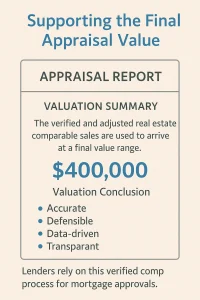
The verified and adjusted real estate comparable sales are used to arrive at a final value range.
This ensures the valuation is:
- Accurate
- Defensible
- Data-driven
- Transparent
Lenders rely on this verified comp process for mortgage approvals.
FAQ: Real Estate Comparable Sales
1. Why are comparable sales so important in appraisal?
They determine market value using real, verified data—not assumptions or opinions.
2. How many comps do appraisers use?
Typically 3–6 strong comps from the past 6–12 months.
3. Can older comps be used?
Only if the market is slow or unique — but they must be adjusted.
4. Do upgrades always increase value?
Not always. Only certain upgrades improve appraisal value.
5. Can homeowners choose their comps?
They can suggest comps, but only appraisers decide which meet professional standards.
Real estate comparable sales are the backbone of accurate valuations.
By verifying comps with strict processes, appraisal companies ensure fair pricing for buyers, sellers, and lenders.
This transparent process builds trust and protects all parties in a real estate transaction.
Author Info
Author: Mangesh
Last Updated: November 2025
Category: Real Estate Appraisal
Follow Us: facebook.com | instagram.com | linkedin.com | BackBoneDataSolutions.com