




Understanding what affects your home’s appraised value is essential whether you’re selling, refinancing, or planning upgrades. One of the most overlooked factors is seasonal change. Yes — the time of year can directly influence your Seasonal Home Appraisal Value, sometimes increasing it and sometimes lowering it.
In this blog, you’ll learn why and how seasons impact appraisal results, how appraisers analyze seasonal conditions, and what homeowners can do to improve their property’s value year-round.
Why Seasons Influence Home Appraisal Value
Seasonal conditions affect market activity, curb appeal, available comparable sales, and even the physical condition of a home. That’s why Seasonal Home Appraisal Value can fluctuate depending on weather patterns, buyer demand, and property visibility.
Seasonal Home Appraisal Value changes due to shifts in buyer demand, curb appeal, comparable sales availability, and weather conditions affecting inspections and market pricing.

1. Spring: The Season of Highest Appraisal Value
Spring is typically the strongest season for real estate.
Why Spring Boosts Seasonal Home Appraisal Value
- Landscaping looks lush
- Natural light enhances interior spaces
- More comparable sales for appraisers
- Increased buyer demand creates upward pressure on prices
Spring also reveals the true condition of roofing, gutters, and exterior systems, making homes appear more attractive and well-maintained.
2. Summer: High Buyer Activity but Weather Challenges
Summer remains a busy real estate season, though sometimes slightly behind spring.
How Summer Affects Home Appraisals
- Increased competition among sellers
- More appraisals happening due to high transaction volume
- Strong market demand helps maintain higher value
- Exterior spaces like patios, balconies, and gardens show extremely well
However, excessive heat may affect home inspections — HVAC systems, insulation, and cooling efficiency become major value factors.
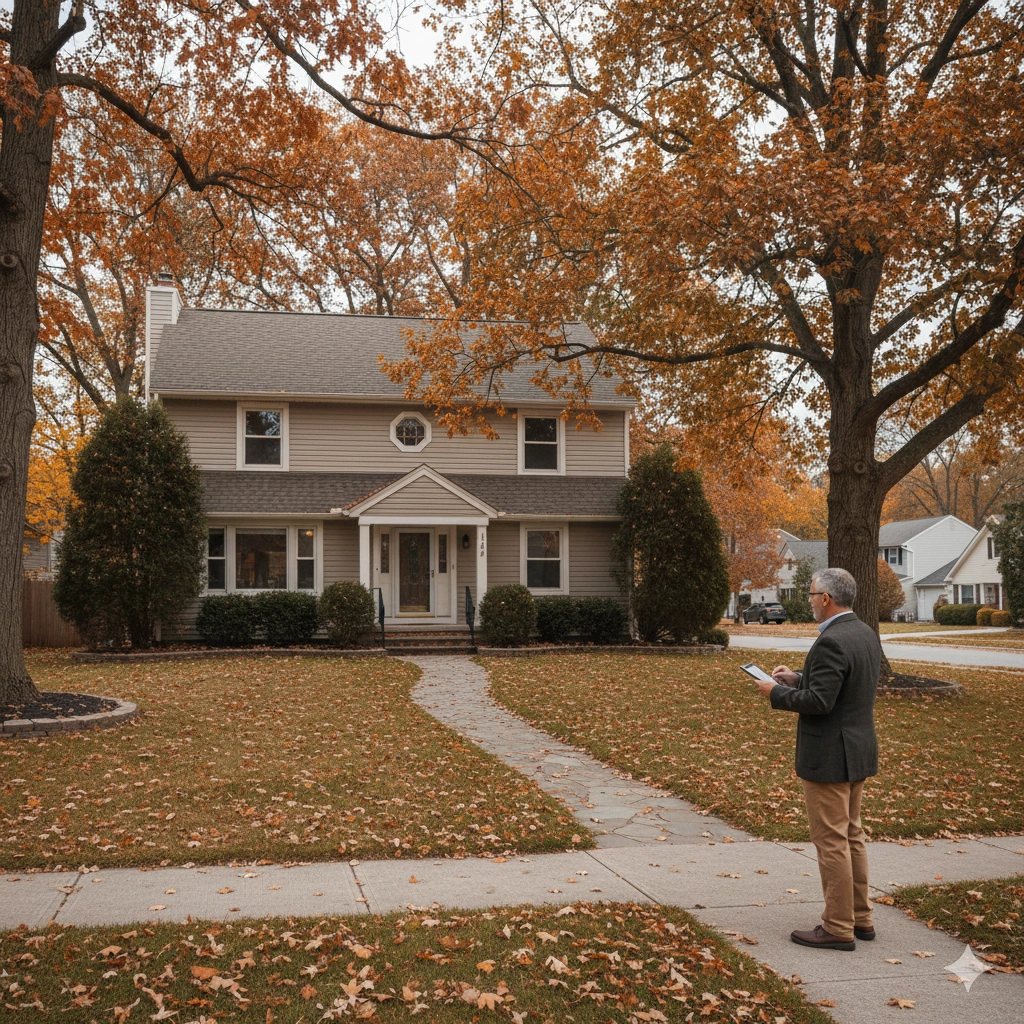
3. Fall: Stable Appraisals with a Slight Decline in Value
Fall is considered a transition season in real estate.
Impact on Seasonal Home Appraisal Value
- Reduced buyer activity
- Fewer comparable sales
- Landscaping begins to decline
- Exterior appeal may drop
Yet fall can still produce strong appraisal outcomes if the market remains stable and homes are well-maintained.
4. Winter: The Lowest Appraisal Values for Many Homes
Winter often results in lower Seasonal Home Appraisal Value, depending on geographic location.
Why Winter Can Lower Appraised Value
- Snow covers landscaping and imperfections
- Roof, foundation, and drainage issues may be hidden
- Reduced daylight impacts interior brightness
- Fewer sales mean fewer comparable properties
Homes may feel colder, darker, and less inviting — all of which subtly affect appraiser perception.
Exception:
In warm climates like Florida, Texas, or some parts of California, winter may actually raise appraisal values due to high seasonal demand.
5. How Seasonal Comparable Sales Influence Appraisal Results
Appraisers rely heavily on comparable sales (comps) to estimate value. When comps are limited due to seasonal slowdowns (e.g., winter or late fall), the property valuation may be:
- Less precise
- Based on older data
- Potentially lower due to limited competition
In peak seasons like spring and summer, comps are plentiful, accurate, and more reflective of current market strength — increasing Seasonal Home Appraisal Value.
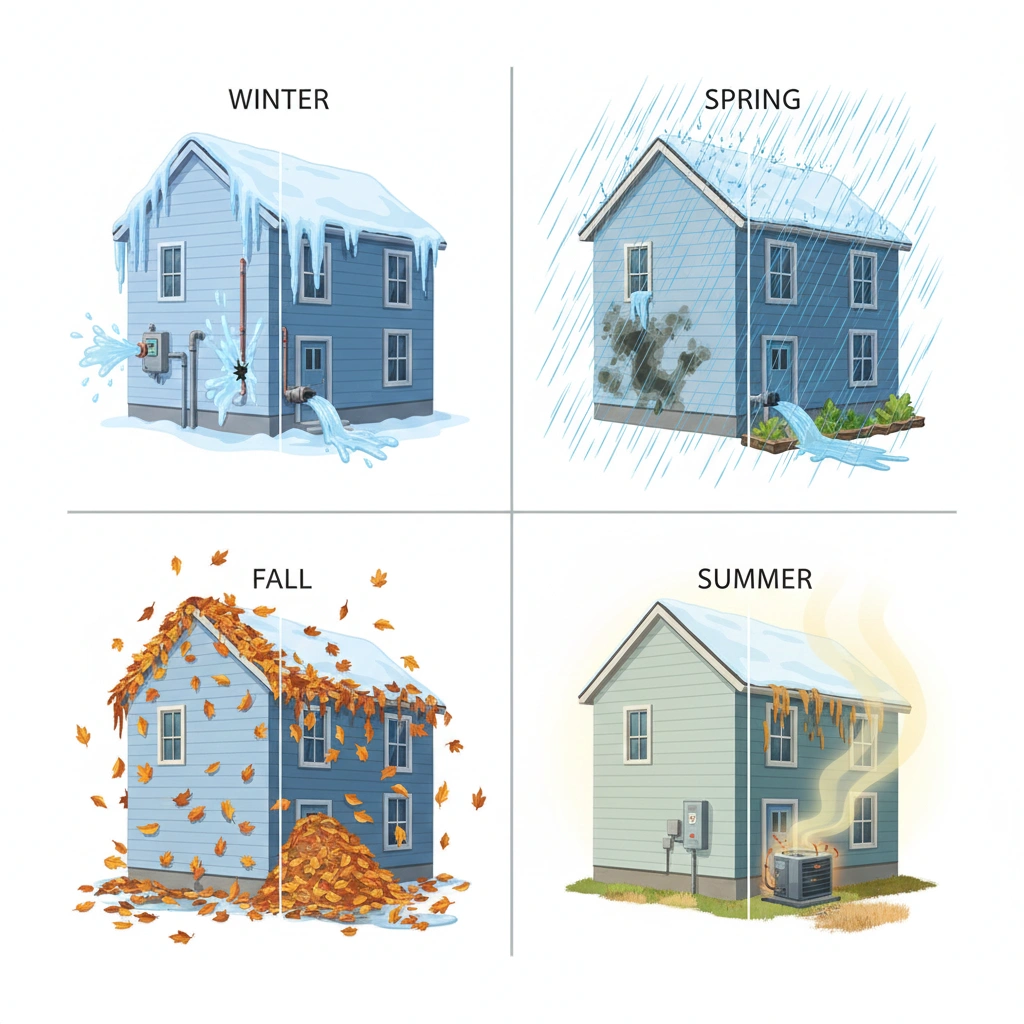
6. Seasonal Maintenance Issues That Affect Appraisal Value
Some seasonal effects come from the home’s physical condition across the year.
Seasonal risks that may reduce value:
- Winter: Ice damage, frozen pipes, roof wear
- Spring: Water damage, mold, drainage issues
- Summer: HVAC inefficiency, electrical overloads
- Fall: Gutter blockage, foundation cracks
Appraisers note these issues and adjust the valuation accordingly.
7. Neighborhood Seasonal Factors That Influence Value
Neighborhood trends also play a major role in determining Seasonal Home Appraisal Value.
Factors include:
- Tourist season demand
- School admissions season
- Local weather severity
- Seasonal business cycles
- Seasonal job markets (in tourist or agricultural areas)
Appraisers consider both property-specific and market-specific seasonal impacts.
8. How Homeowners Can Improve Appraisal Value in Any Season
Regardless of the time of year, homeowners can take proactive steps to enhance their Seasonal Home Appraisal Value.
Tips to Improve Appraisal Value Year-Round
- Keep landscaping neat, even in winter
- Ensure proper lighting throughout the home
- Maintain HVAC systems
- Fix obvious damage before appraisal
- Highlight recent upgrades
- Clean and declutter to improve presentation
Every small improvement contributes positively to perceived value.
FAQs
1. Does the time of year really affect home appraisal value?
Yes. Seasonal trends impact demand, curb appeal, comps, and market competition — all factors appraisers use.
2. Which season offers the highest appraisal value?
Spring usually produces the highest Seasonal Home Appraisal Value, followed closely by summer.
3. Can I improve my appraisal value in winter?
Yes. Focus on lighting, interior warmth, curb cleanup, and showcasing upgrades.
4. Do appraisers adjust for seasonal market conditions?
Appraisers consider market trends but cannot inflate value beyond recent comparable sales.
5. Should I delay appraisal to get a better valuation?
If possible, yes — scheduling during spring or summer may yield a higher Seasonal Home Appraisal Value.
Seasonal changes influence everything — from buyer demand to home appearance and market comparables. Understanding Seasonal Home Appraisal Value helps homeowners, buyers, and sellers make smarter financial decisions.
No matter the season, preparing your home well, maintaining systems, and improving curb appeal can significantly boost your appraisal results.
Author Info
Author: Mangesh
Last Updated: November 2025
Category: Real Estate
Follow Us: facebook.com | instagram.com | linkedin.com | BackBoneDataSolutions.com